World > Europe > Belgium

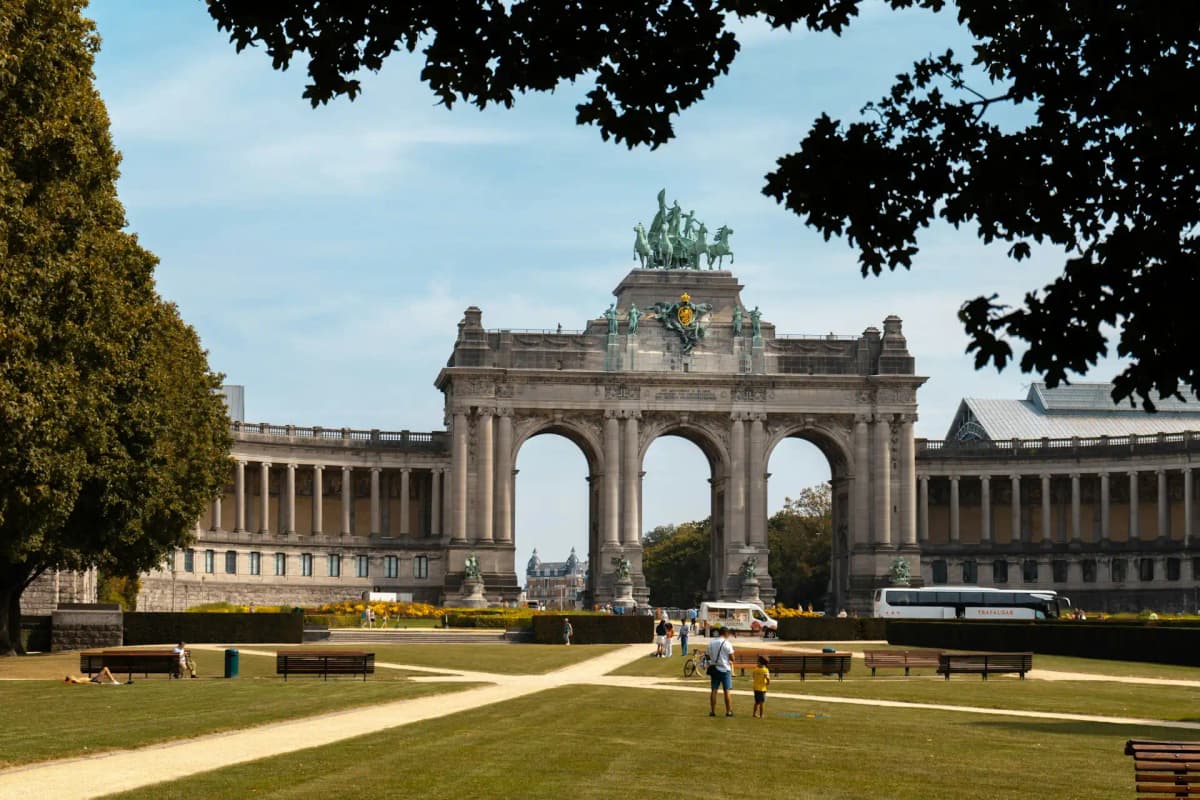
Belgium landscape

Belgium

Explore weather trends, climate data, and curated weather guides for Belgium

Belgium Climate Intelligence

Nestled in the heart of Western Europe, Belgium boasts a temperate maritime climate that brings distinct seasons. Expect mild, wet winters, followed by comfortable, often cloudy summers. The country typically experiences year-round rainfall, so packing an umbrella is always a good idea! Explore WeatherBox for deeper insights into Belgium's weather patterns and plan your trip or business operations with confidence.

Average Temperature & Seasonal Trends in Belgium

How do temperatures shift month-by-month?

Temperature Map

How to Use This Map

  • Watch Seasons Change

    Click the Play button to start an animated timelapse of annual temperature shifts.

  • Explore Month-by-Month

    Drag the slider controls to pause on specific months and visualize detailed conditions.

Key Summary
  • Belgium’s maritime climate keeps temperatures moderate year-round, with mild winters and comfortably cool summers.
  • The coastal plain stays tempered by the North Sea, while the Ardennes highlands in the southeast feel colder winters and more frequent frost.
  • Late spring through early autumn delivers the most pleasant warmth and daylight for exploring historic cities and countryside, though rain gear is wise in any season.

Belgium enjoys a temperate maritime climate that rarely veers into extremes. Winter daytime highs typically hover between 5°C and 7°C (41°F–45°F), while overnight lows settle around 1°C to 3°C (34°F–37°F), meaning prolonged freezing spells are uncommon. Summer brings gentle warmth; average highs range from 20°C to 23°C (68°F–73°F), with occasional heatwaves pushing temperatures above 30°C (86°F) for a few days. As the WeatherBox temperature map indicates, the entire country falls within a fairly narrow temperature band, yet subtle shifts appear once you move inland or gain elevation. Rain is evenly spread throughout the year, so overcast skies and light drizzle can punctuate any month, keeping the landscape lush and the air comfortably humid rather than oppressively sticky.

Regional differences, while modest, shape the feel of each destination. The slender coastal strip around Ostend and Zeebrugge feels the North Sea’s moderating hand most directly: summer afternoons here often stay a few degrees cooler, and winter frosts are less biting, though brisk onshore winds add a chill that belies the thermometer. In the central lowlands, where Brussels, Ghent and Antwerp lie, summer highs more frequently reach 23°C to 25°C (73°F–77°F), making pavement cafés and canal-side strolls delightful on long July evenings. By contrast, the Ardennes uplands in Wallonia, with elevations above 500 metres (1,640 feet), see the country’s lowest temperatures. Winter lows here can dip to -3°C (27°F) or below, and snowfall is more common, dusting the forested hills and adding a quiet charm to places like Durbuy or the High Fens, as the WeatherBox temperature map helps to visualise. This is not a landscape of bitter, sustained cold, but enough of a seasonal shift to make a woollen sweater and sturdy boots welcome between November and March.

For travel planning, the May-to-September window offers the most forgiving conditions for outdoor exploration. During these months, long daylight hours and temperatures in the 15°C to 23°C (59°F–73°F) range invite you to wander Brussels’ Grand Place, cycle the Flemish countryside, or linger at an open-air market without fretting about a chill. July and August can be the warmest and busiest, though even then a light raincoat or foldable umbrella remains a sensible companion; passing showers are part of the Belgian rhythm. Spring (April) and autumn (October) deliver crisp air and thinner crowds, ideal for museum-hopping and canal boat tours, but mornings and evenings feel decidedly cool, so pack layers that can be easily added or shed. Winter, from December to February, is damp and chilly rather than brutally cold, making it well suited to enjoying Christmas markets, cosy brasseries, and steaming mugs of hot chocolate. A warm coat, scarf, and waterproof footwear are the essentials for that season. Belgium’s climate never slams the door on travel, but preparing for quick shifts between sun and drizzle keeps your days comfortable. For monthly averages and interactive temperature detail, explore the full data and resources at WeatherBox.

Regional Humidity & Dew Point Patterns in Belgium

How does humidity vary across the country?

Humidity Map

Key Summary
  • Belgium’s maritime climate keeps relative humidity consistently in the 75–85% range, creating a pervasive but rarely extreme dampness throughout the year.
  • Coastal areas are slightly more humid and wind-scoured, while the Ardennes’ forested valleys trap moisture, leading to frequent fog and mist in cooler months.
  • Winter is the dampest season with barely a dry day, whereas high summer can produce brief muggy spells, especially in still, built-up city centres.

Belgium’s low-lying topography and exposure to moist North Sea winds stamp a classic temperate maritime feel onto daily life. The air is seldom crisp or arid. Our WeatherBox humidity comfort index map illustrates this clearly, showing where the atmosphere slides from comfortable to muggy or very muggy as conditions shift. Even on a fine summer afternoon in Brussels, relative humidity frequently hovers around 75%, so you rarely escape a gentle film of stickiness. However, because temperatures stay moderate by global standards, the humidity almost never reaches oppressive levels. In spring and autumn the mild, damp air often feels fresh and restorative, while winter’s high moisture content, frequently above 85%, wraps the lowlands in a raw, grey stillness that can persist for days on end.

Geography sharpens how that moisture is experienced. Along the coast from Ostend to the sandy Zwin, brisk sea breezes keep the saturated air moving, making an outright muggy afternoon less common than a persistently drizzly one among the Flemish polders. A few kilometres inland, in cities such as Bruges and Ghent, the wind slackens and the humidity can feel heavier; wandering the rain-prinked canals and step-gabled guildhalls in July can turn very muggy when the mercury climbs above 25°C. In the Ardennes of Wallonia, thick beech and spruce forests exhale moisture into narrow valleys, so ground fog often lingers even on summer mornings. Walking the mossy trails of the Hautes Fagnes or pausing under the ramparts of Bouillon, you may notice dew clinging to every fern frond long after sunrise. The WeatherBox humidity map captures this patchwork, revealing pockets of comfortable dryness in the windier highlands while the sheltered Meuse valley tips into muggy territory on warm days.

For travel planning, late spring and early autumn deliver the most comfortable humidity for long days of sightseeing, with the countryside lush but never stifling. July and August remain popular despite occasional muggy heatwaves that can make crowded market squares in Antwerp or Leuven feel close; a breathable linen shirt and an early start go a long way. If your trip falls between November and February, expect the dampest air of the year. High relative humidity makes near-freezing temperatures feel penetrating, so a reliable waterproof jacket and a cosy scarf become your best allies, though you will be rewarded with steam-wreathed Christmas markets and candlelit brown cafés. Overall, Belgium’s humidity is a gentle, misty companion that rarely spoils a journey when you dress for moisture. For month-by-month breakdowns and the full humidity comfort index map, head to WeatherBox and plan with confidence using our detailed data.

How to Use This Map

Humidity Comfort Levels
Dry
Comfortable
Uncomfortable
Muggy
Very Muggy
Oppressive
  • Watch Seasons Change

    Click the Play button to start an animated timelapse of annual humidity shifts.

  • Explore Month-by-Month

    Drag the slider controls to pause on specific months and visualize detailed conditions.

  • Find Your Comfort Zone

    Use these insights to identify the ideal time to visit Belgium based on your weather preferences.

Climate Zones of Belgium (Köppen-Geiger Map)

What are the climate zones of Belgium?

Climate Map

Climate Classification Legend

Tropical
Af
Am
Aw
As
Dry
BWh
BWk
BSh
BSk
Temperate
Csa
Csb
Csc
Cwa
Cwb
Cwc
Cfa
Cfb
Cfc
Continental
Dsa
Dsb
Dsc
Dsd
Dwa
Dwb
Dwc
Dwd
Dfa
Dfb
Dfc
Dfd
Polar
ET
EF
Key Summary
  • Belgium experiences a fully humid temperate maritime climate (Köppen Cfb), with rainfall spread evenly throughout the year and no true dry season.
  • Proximity to the North Sea and prevailing westerly winds keep coastal and lowland areas mild, while the higher Ardennes uplands get colder winters and more frequent snow.
  • Seasonal swings are modest: summers are comfortably warm rather than hot, and winters are generally chilly and damp instead of bitterly cold.

Belgium sits almost entirely within the Cfb zone of the Köppen climate classification, the same warm temperate, fully humid, cool summer type that characterises much of northwestern Europe. At WeatherBox, we translate this code into something a traveller can feel: a country where the sky is often soft grey, drizzle can appear in any month, and temperatures rarely veer toward extremes. The steady hand of the North Atlantic shapes all of it. Westerly winds pile moisture onto the low-lying coastline and sweep it inland, feeding Belgium’s famously lush countryside. Our climate charts show monthly precipitation hovering in a modest but stubborn range, and average highs gradually lifting from around 6°C (43°F) in winter to 22°C (72°F) in midsummer. In short, this is a land of gentle transitions and very few meteorological surprises.

Geography adds texture to that uniformity. The flat Flemish coast, with its broad beaches and breezy seaside promenades around Oostende and Knokke-Heist, enjoys the most maritime influence: winters are slightly milder, summers a touch cooler, and the wind a near-constant companion. Inland, the central plateau cradles cities like Brussels, Ghent, and Antwerp, where the classic Cfb pattern comes into sharp focus. Here you might wander misty mornings over the canals of Bruges under a thin drizzle one day, then enjoy startlingly bright, crisp sunshine the next. Head southeast into the Ardennes and the climate takes on a faintly continental personality. Altitudes above 400 metres nudge winter lows down a few degrees, so snow dusts the wooded hills and valley towns like Durbuy more often, turning the forests into a quiet, frost-edged scene that feels worlds away from the coastal strip. Summer in the Ardennes is nonetheless green and pleasant, with warm afternoons ideal for gentle countryside rambles.

For travel planning, Belgium’s moderate rhythms offer a long comfortable window. May, June, and September tend to deliver conditions for strolling historic squares and open-air café terraces: daytime temperatures sit comfortably in the 15°C to 22°C (59°F to 72°F) range, rain is lighter, and crowds are thinner than in peak summer. July and August are the warmest months, with the thermometer occasionally climbing above 30°C (86°F) during brief heatwaves. That can make canal tours in Bruges or waffle-hopping in Ghent feel a little sticky, but blue skies are more frequent. Winter, from December to February, is damp and often overcast, with temperatures hovering just above freezing in the lowlands. It is a season best suited to cosy indoor pleasures like sampling chocolate or warming up in a Christmas market, though you should pack a waterproof coat and sturdy shoes to guard against persistent drizzle and gusty winds. No season is truly off-limits, but the greatest comfort comes with layers you can shed or add, and footwear that can handle a sudden shower. Belgium’s real climate gift is this lack of harsh extremes, making it a dependable year-round choice for unhurried city breaks and rolling countryside escapes. Explore the detailed monthly data and interactive maps on WeatherBox to choose the weeks that best suit your travel style.

Find places with your ideal climate

Use our Climate Finder to search and rank locations by their temperature and humidity patterns.

Open Climate Finder

Compare Weather
in Belgium

See how temperatures, sunshine, and rainfall differ between any two locations on Earth

Belgium flag
BrusselsBelgium
Change
Belgium flag
AntwerpBelgium
Change

Weather Guides

Explore comprehensive annual weather and climate insights for 27 locations in Belgium

Explore other locations in Europe