World > Europe > Switzerland

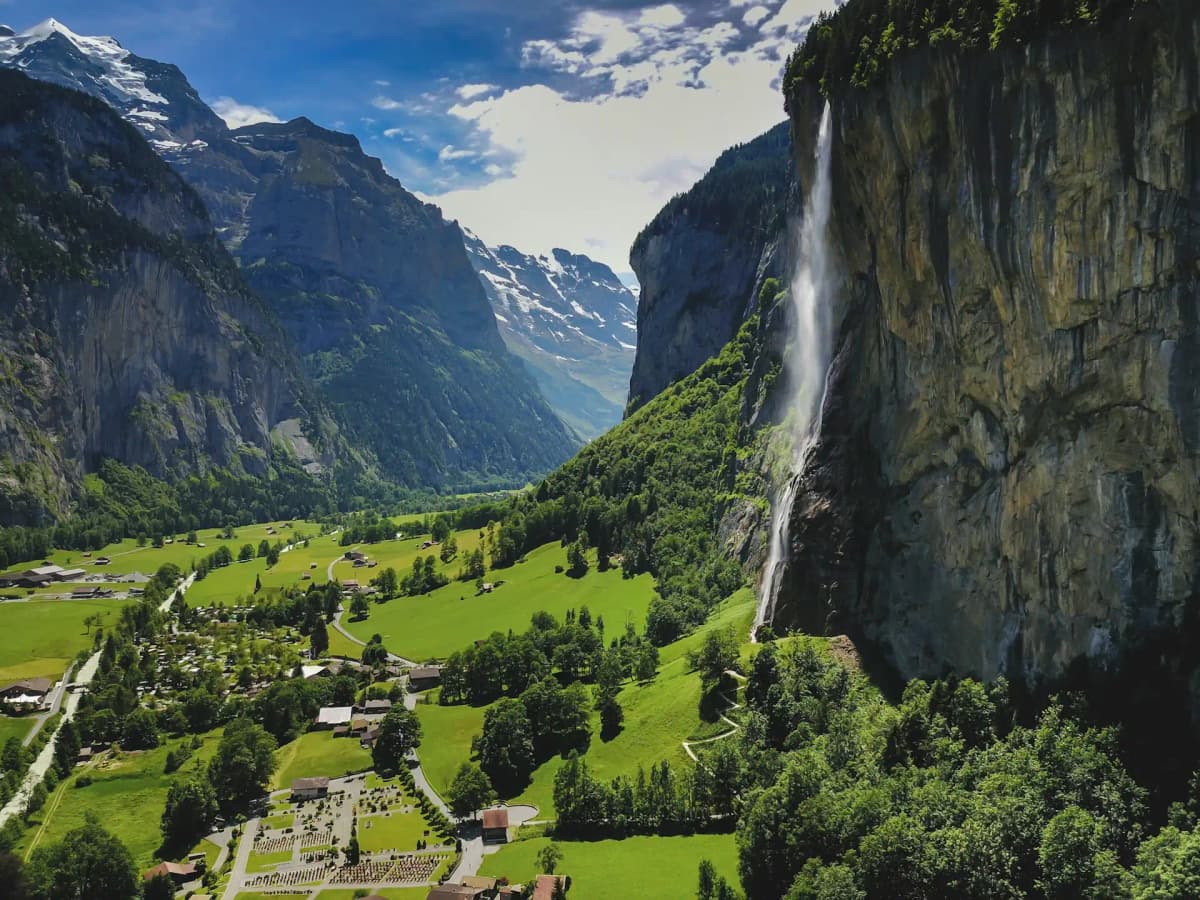
Switzerland landscape

Switzerland

Explore weather trends, climate data, and curated weather guides for Switzerland

Switzerland Climate Intelligence

Nestled in the heart of Europe, Switzerland boasts a climate as diverse as its stunning landscapes. Expect crisp, snowy winters perfect for skiing, followed by pleasant, mild summers ideal for hiking and exploring. While you'll generally experience four distinct seasons, regional variations are common, making planning a breeze or a challenge! Discover detailed weather insights, from average temperatures to precipitation patterns, on WeatherBox to ensure your Swiss adventure or business venture is perfectly timed.

Average Temperature & Seasonal Trends in Switzerland

How do temperatures shift month-by-month?

Temperature Map

How to Use This Map

  • Watch Seasons Change

    Click the Play button to start an animated timelapse of annual temperature shifts.

  • Explore Month-by-Month

    Drag the slider controls to pause on specific months and visualize detailed conditions.

Key Summary
  • Switzerland’s air temperatures are governed less by latitude and more by altitude, creating distinct lowland, Alpine, and southern microclimates.
  • The Alpine south (Ticino) holds a noticeably warmer, Mediterranean-influenced air mass, while the high Alps remain cool even in midsummer.
  • Seasonal swings are pronounced, with warm summers ideal for lake and city discovery and snowy winters that transform even non-ski destinations into frost-trimmed travel scenes.

Switzerland sits in a temperate zone, but the simple phrase “mild four seasons” only tells part of the story. Air temperatures here are shaped overwhelmingly by the rugged topography that rises from the Swiss Plateau to the great Alpine divide. In the low-lying cities of Zurich, Basel, and Geneva, typical summer afternoons range from 18°C to 25°C (64°F to 77°F), while winter daytime values hover between -2°C and 5°C (28°F to 41°F). Travel upward, and the numbers drop sharply. High Alpine hamlets such as Zermatt or the Jungfrau region, sitting above 1,500 metres, see summer maximums of just 10°C to 15°C (50°F to 59°F) and winters that routinely dip to -10°C (14°F) or lower. As indicated by the WeatherBox temperature map, the warmest annual averages cling to the valley floors and lakeshores, while the coolest bands trace the spine of the Alps.

Regional contrasts make packing for Switzerland a lesson in vertical geography. The south-facing canton of Ticino, around Lugano and Locarno, benefits from a Mediterranean microclimate where summer temperatures can push 28°C (82°F), allowing palm-lined lakeside promenades and sun-drenched piazzas to thrive. The central plateau, with Bern and Lucerne, experiences reliable summer warmth but often sits under a grey stratus layer in winter, giving way to a foehn wind that can abruptly lift temperatures by 10°C or more, unleashing startlingly warm, dry afternoons. In the high Alps, the air remains crisp and cooling even in July, a welcome balm for strolls through wildflower meadows beneath the Eiger. A glance at the WeatherBox temperature map shows how the same day can deliver a balmy boat cruise on Lake Geneva and a bracing encounter with a glacier. Spring and autumn are transitional: April can feel raw and damp, while late September frequently delivers gloriously clear skies for panoramic train journeys through the golden larch forests of the Engadin.

For travel planning, the interplay of temperature and altitude defines two optimal windows. June to September brings comfortably warm days for wandering the vineyard terraces of Lavaux or joining a paddle-steamer cruise on Lake Lucerne, with only occasional afternoon thunderstorms. December through February transforms the country, when fog-draped lowlands often sit beneath brilliant sunshine at higher elevations, creating a dreamy backdrop for Christmas markets and cogwheel rides to snowy viewpoints. The most challenging periods tend to be November, when cold rain settles in, and the muddy weeks of early spring snowmelt. A practical wardrobe spans much of the thermometer: lightweight, breathable fabrics for the lowland summer, a substantial rain shell, and a warm mid-layer that can be peeled off as you descend from a high pass to a sunny valley floor. Sun protection matters even in cool air at altitude, and thermal layers become essential for evening alpine excursions. The Swiss secret is that you can begin a day in crisp alpine air and end it in mild lakeside calm, a temperature journey packed within a few hours. For layered detail on monthly averages and regional profiles, explore the full climate charts and seasonal breakdowns at WeatherBox.

Regional Humidity & Dew Point Patterns in Switzerland

How does humidity vary across the country?

Humidity Map

Key Summary
  • Switzerland’s humidity varies dramatically with altitude: high Alpine regions enjoy comfortable or dry air while lowland cities and lakeshore valleys can become muggy in summer.
  • Regional foehn winds and rain-shadow valleys create pockets of surprisingly dry conditions, notably in the Valais and parts of Graubünden, as indicated by the WeatherBox humidity map.
  • Winters bring persistent dampness and fog to the Swiss Plateau, but the high mountains offer crisp, drier air ideal for winter sports and clear alpine views.

Switzerland’s humidity is a story of sharp transitions, driven by a landscape that folds low plateaus up against some of Europe’s highest peaks. The country sits at a climatic crossroads where Atlantic moisture, continental air masses, and Mediterranean influences overlap, and the Alps act as a powerful barrier. In broad terms, relative humidity across Switzerland ranges from a refreshingly dry 40–50% at high altitudes to uncomfortable or even oppressive levels near 80% on muggy summer days along the lakes. The WeatherBox humidity map captures this patchwork well: the northern Swiss Plateau and the southern canton of Ticino experience higher moisture loads, while elevated resorts and the deep inner-Alpine valleys enjoy far comfortable conditions. A short journey by train or cable car often means leaving a muggy lakeshore for a breezy, drier alpine meadow, a feature that makes Switzerland’s humidity patterns uniquely manageable.

During late spring and summer, the Swiss Plateau, including cities such as Zurich, Basel, and Bern, frequently sees afternoon humidity spike after convective thunderstorms, creating spells of muggy or very muggy air that can linger around the river and lake shores into the evening. Travel south into Ticino, and the lakeside promenades of Lugano and Locarno can feel distinctly oppressive in July and August, when warm, moisture-laden air drifts up from the Po Valley. Head into the Alpine heartland around Zermatt, the Jungfrau region, or St. Moritz, and you will find air that remains comfortable or dry even under strong summer sunshine, with lower absolute moisture making warmth feel easy rather than stifling. Spring and autumn strike the most balanced chord across all zones, with crisp, comfortable air and few extremes.

For travel planning, this means you can nearly always find a comfortable microclimate. May, June, and September offer the most comfortable humidity for gentle walking tours in lowland cities and relaxed lake cruises, while high summer is suboptimal for prolonged city sightseeing when muggy air can make strolling feel sticky. Those same weeks, however, are prime for escaping to high Alpine resorts, where low humidity and mild temperatures create ideal conditions for scenery and open-air cable cars. Winter brings damp, foggy conditions to the Plateau, but the high ski areas reward you with delightfully dry air and gloriously clear views of peaks like the Matterhorn. Pack lightweight, breathable fabrics for summer city visits, a sturdy raincoat for sudden mountain showers, and sun protection for high altitudes where dry air and stronger UV can be deceptive. Switzerland’s compact geography means you can manage humidity simply by changing elevation. For detailed, data-driven humidity insights tailored to your trip, explore the full suite of maps and tools on WeatherBox.

How to Use This Map

Humidity Comfort Levels
Dry
Comfortable
Uncomfortable
Muggy
Very Muggy
Oppressive
  • Watch Seasons Change

    Click the Play button to start an animated timelapse of annual humidity shifts.

  • Explore Month-by-Month

    Drag the slider controls to pause on specific months and visualize detailed conditions.

  • Find Your Comfort Zone

    Use these insights to identify the ideal time to visit Switzerland based on your weather preferences.

Climate Zones of Switzerland (Köppen-Geiger Map)

What are the climate zones of Switzerland?

Climate Map

Climate Classification Legend

Tropical
Af
Am
Aw
As
Dry
BWh
BWk
BSh
BSk
Temperate
Csa
Csb
Csc
Cwa
Cwb
Cwc
Cfa
Cfb
Cfc
Continental
Dsa
Dsb
Dsc
Dsd
Dwa
Dwb
Dwc
Dwd
Dfa
Dfb
Dfc
Dfd
Polar
ET
EF
Key Summary
  • Switzerland’s climate varies dramatically with altitude, from mild, rainy lowlands to permanently frozen alpine peaks.
  • The dominant Köppen types are oceanic Cfb on the Plateau and Jura, transitioning to continental Dfb/Dfc and tundra ET at high elevations.
  • Inner valleys in a rain shadow create sunnier, semi-arid pockets (BSk) in the Rhône valley, while southern Ticino leans toward a warmer, humid subtropical climate (Cfa).

Switzerland packs startling climatic variety into a small area thanks to its Alpine backbone. Most inhabited areas lie on the Swiss Plateau, where a temperate oceanic climate (Köppen Cfb) brings mild summers, cold winters, and rainfall spread across the year. Climbing into the mountains, the climate shifts to warm-summer humid continental (Dfb), then subarctic (Dfc) in valleys beyond the main crest, and finally alpine tundra (ET) where mean monthly temperatures stay below 10°C (50°F) year-round. WeatherBox’s Köppen map clearly traces these zones encircling the high peaks.

Geography amplifies these differences. The northern Plateau and cities like Zürich and Geneva often endure grey, foggy winter weeks, while ski areas above a thousand metres sit in bright sunshine. The Jura range in the northwest gets plentiful rain, giving summer hikers lush, green ridges. In the central Alpine valleys of Valais and Engadin, the rain-shadow effect creates semi-arid pockets (BSk); Sion basks in over 2,000 hours of sunshine a year, nurturing terraced vineyards and dry, sunny walking paths. South of the watershed, Ticino’s lakeside towns enjoy a balmier Cfa feel with Mediterranean vegetation, mild winters, and occasional torrential thunderstorms in late summer. Periodic föhn winds sweep down the north-facing slopes, abruptly raising temperatures and clearing the sky.

When you travel, these patterns guide the calendar. The prime summer window from June to September offers daytime highs of 20–30°C (68–86°F) on the Plateau, ideal for lake tours, city walks and panoramic train routes, while higher trails bloom wild with flowers. Winter, roughly December to March, is the season for snow sports, though lowland fog can persist. Shoulder months May and October bring fewer visitors, but weather can swing between warm sunshine and steady rain. A layered packing strategy works everywhere: a waterproof jacket, insulating mid-layers, comfortable shoes, and always sun protection and a fleece for mountain excursions, even in July. Switzerland’s compact climatic patchwork means you can move from lakeside mist to brilliant alpine sun in a matter of hours. Browse WeatherBox’s interactive Köppen maps and detailed climate charts to help you find the right season for your favourite corner of the country.

Find places with your ideal climate

Use our Climate Finder to search and rank locations by their temperature and humidity patterns.

Open Climate Finder

Compare Weather
in Switzerland

See how temperatures, sunshine, and rainfall differ between any two locations on Earth

Switzerland flag
ZurichSwitzerland
Change
Switzerland flag
GenevaSwitzerland
Change

Weather Guides

Explore comprehensive annual weather and climate insights for 28 locations in Switzerland

Explore other locations in Europe