World > Europe > Czech Republic

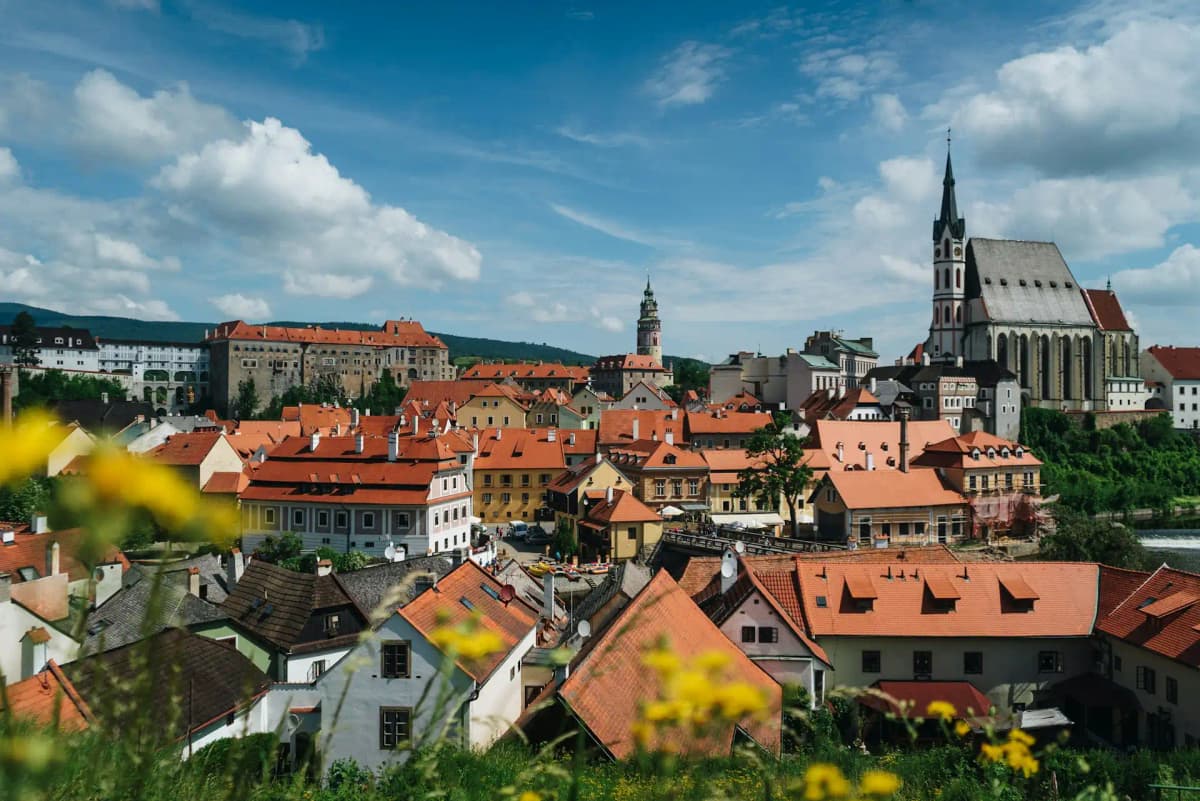
Czech Republic landscape

Czech Republic

Explore weather trends, climate data, and curated weather guides for Czech Republic

Czech Republic Climate Intelligence

Nestled in the heart of Central Europe, Czechia boasts a captivating climate that shifts with the seasons. Expect crisp, cold winters often blanketed in snow, transitioning into pleasant, mild springs, followed by warm, sunny summers perfect for exploring. As autumn arrives, the landscape transforms with vibrant colors before the cycle begins anew. Want a deeper dive into temperature averages, precipitation patterns, and the best time to visit for your specific needs? Explore WeatherBox for detailed Czechia weather insights, tailored for travelers and businesses alike.

Average Temperature & Seasonal Trends in Czech Republic

How do temperatures shift month-by-month?

Temperature Map

How to Use This Map

  • Watch Seasons Change

    Click the Play button to start an animated timelapse of annual temperature shifts.

  • Explore Month-by-Month

    Drag the slider controls to pause on specific months and visualize detailed conditions.

Key Summary
  • Average temperatures fluctuate significantly across the four seasons, with warm summers and chilly winters defining the central European climate.
  • Regional variations occur between the low-lying river basins and the high-altitude mountain ranges where cooler conditions persist throughout the year.

We observe a temperate continental climate across the country, where the year is defined by four distinct seasons. Our data at WeatherBox indicates that moderate air temperatures are common during the spring and autumn months. You will see the daily highs begin a steady climb in late April, often reaching a pleasant warmth by the late spring. As the summer months arrive, the mercury rises toward its annual peak, often resulting in prolonged periods of bright sunshine. During the winter, the thermometer drops frequently below the freezing point, especially during the overnight hours. This seasonal progression impacts the thermal comfort you experience during outdoor activities or public celebrations.

The physical geography of the region influences the temperature variations displayed on our WeatherBox maps. In the central lowlands and the southern river basins, the summer heat can become heavy and stubbornly high, with temperatures often resting in the upper eighties in Fahrenheit. These flat regions tend to be the warmest parts of the country throughout the year. Meanwhile, the high-altitude mountain ranges along the borders maintain lower temperatures and offer a refreshing environment during the peak summer. In the winter, these elevated areas are prone to severe frost and consistent snow, while the urban areas experience a damp cold. You will find that winter markets in the towns involve frigid air, while summer hiking in the mountains requires a focus on the shifting temperatures found at different altitudes.

Our extensive records at WeatherBox show that the seasonal shifts are often accompanied by changing atmospheric conditions. The autumn brings crisp mornings and a gradual reduction in daily heat as the days grow shorter. This time of year features a dazzling transformation of the landscape as the temperate forests react to the dropping temperatures. January typically stands as the coldest month, with the average temperature reaching its lowest point of the year. For those planning sightseeing tours or walking trips, the late spring provides a gentle climate with mild air. Whether the goal is to attend a summer concert or explore a medieval town in the winter, the prevailing air temperature is a primary factor for the environmental conditions you will encounter.

Regional Humidity & Dew Point Patterns in Czech Republic

How does humidity vary across the country?

Humidity Map

Key Summary
  • Most regions in Czechia experience a temperate climate with humidity levels that remain largely comfortable for outdoor activities throughout the spring and autumn.
  • Summer months can bring localized periods of uncomfortable moisture in the lowlands, while the mountainous regions offer consistently drier and cooler air.

You will find that the air across Czechia generally follows a predictable pattern dictated by its inland position in Central Europe. At WeatherBox, we track how moisture moves across these landlocked landscapes to help you prepare for your journey. During the spring and autumn, the levels remain in the optimal range for most people. The winter months often show high relative humidity on our charts, though the cold temperatures mean the air does not feel heavy or sticky. You can expect many winter mornings where the moisture manifests as thick frost or scenic mist. This balance makes the transitional seasons a reliable choice for those who prefer stable conditions while exploring historic town squares or rural landscapes.

As you move into the summer season, the regional differences become more apparent on the WeatherBox humidity comfort index map. Our data shows that lowland basins, such as those surrounding Prague or the southern plains of Moravia, can experience occasional spikes in moisture. During July and August, you may encounter days that classify as uncomfortable or even muggy. This typically occurs when warm air masses settle over the region, often building up until afternoon thunderstorms arrive to clear the atmosphere. Conversely, the high-altitude areas in the north and west remain much cooler. When you ascend into these elevations, the air feels invigorating and crisp, providing a natural escape when the urban centers feel a bit more humid.

Planning your visit requires an awareness of these shifts to ensure your comfort during outdoor festivities or long days of sightseeing. If you are visiting during the peak of summer, packing breathable fabrics like cotton or moisture-wicking blends will help you stay cool during humid stretches. We suggest scheduling your more strenuous activities, such as navigating the hiking trails in the national parks, for the early morning hours when the air is freshest. For those organizing outdoor weddings or events, checking the moisture trends in our index helps in selecting dates with the lowest risk of heavy air. By matching your wardrobe and itinerary to these seasonal patterns, you can enjoy the lush greenery and architectural wonders in total comfort.

How to Use This Map

Humidity Comfort Levels
Dry
Comfortable
Uncomfortable
Muggy
Very Muggy
Oppressive
  • Watch Seasons Change

    Click the Play button to start an animated timelapse of annual humidity shifts.

  • Explore Month-by-Month

    Drag the slider controls to pause on specific months and visualize detailed conditions.

  • Find Your Comfort Zone

    Use these insights to identify the ideal time to visit Czech Republic based on your weather preferences.

Climate Zones of Czech Republic (Köppen-Geiger Map)

What are the climate zones of Czech Republic?

Climate Map

Climate Classification Legend

Tropical
Af
Am
Aw
As
Dry
BWh
BWk
BSh
BSk
Temperate
Csa
Csb
Csc
Cwa
Cwb
Cwc
Cfa
Cfb
Cfc
Continental
Dsa
Dsb
Dsc
Dsd
Dwa
Dwb
Dwc
Dwd
Dfa
Dfb
Dfc
Dfd
Polar
ET
EF
Key Summary
  • A humid continental climate (Köppen Dfb) dominates much of Czechia, bringing warm summers and cold, snowy winters.
  • Western areas experience a milder temperate oceanic zone (Cfb), while higher mountains shift into subarctic conditions (Dfc) with persistent winter snow cover.
  • The landlocked, bowl-shaped geography of Bohemia creates sheltered lowlands, seasonal temperature swings, and a rain shadow that moderates precipitation.

Czechia sits squarely in the transitional zone between maritime and continental Europe, a position that shapes its varied yet well-defined seasons. Most of the country falls under the warm-summer humid continental climate (Köppen Dfb). Here, average July temperatures typically range from 15°C to 25°C (59°F to 77°F), while January readings often hover between -5°C and 0°C (23°F to 32°F). A pocket of temperate oceanic climate (Cfb) nudges into the western uplands, where winters stay slightly milder and rainfall spreads more evenly through the year. The Krkonoše and Šumava mountains, rising above 1,000 metres, enter subarctic (Dfc) territory, with abbreviated cool summers and deep, lingering snow. This tidy Köppen map is the result of altitude on a compact scale. The Bohemian Massif rings the interior basins, wringing moisture from Atlantic-driven weather systems. As a result, the lowlands, including Prague, sit in a modest rain shadow. Precipitation is moderate across Czechia, generally accumulating between 500 mm and 800 mm (20 to 31 inches) annually, with a summer maximum thanks to convective showers and afternoon thunderstorms. Winters are drier, often delivering light snowfall and periods of stubborn fog in valley towns.

Geography writes a north-south and east-west story across the country’s seasons. In Bohemia, the Vltava and Elbe river basins trap cold air, making winter mornings frosty and encouraging the romantic mists that swirl around Prague’s Charles Bridge. Spring arrives slowly, with April and May offering blossoming orchards and crisp sunny days ideal for exploring the medieval lanes of Český Krumlov. Summers across Moravia, in the east, feel more continental: warmer afternoons nudging above 28°C (82°F) are common, energising the vineyard terraces around Mikulov and the sun-drenched beer gardens of Brno. Autumn returns a cooler, golden light that burnishes the castle-dotted landscapes of Bohemian Paradise. Wherever you go, high humidity is rarely oppressive, but the dry, crisp air of early autumn is one of the country’s quiet atmospheric pleasures. The mountain fringes create their own timetable, with the Krkonoše retaining ski-friendly snow well into March, even as lower elevations thaw. Sudden summer cloudbursts can briefly swell cobbled streets, so a light raincoat is sensible baggage year-round.

For travellers, the optimal windows are late spring and early autumn. May and June deliver lush greenery, extended daylight, and pleasantly mild temperatures before peak summer crowds pack the Charles Bridge and Prague Castle. September and October mirror this appeal, adding harvest festivals and the dazzling low-angle sunlight that makes city spires glow. July and August are perfectly manageable with light fabrics and sun protection, though the heat can occasionally feel sticky in the urban cores, and popular historic centres become busy. Winter, from December through February, transforms Czechia into a storybook scene of Christmas markets and snow-dusted rooftops, but short days, overcast skies, and temperatures that can dip below -8°C (18°F) mean sturdy boots and thick layers are essential. Packing for the country is a study in versatility: breathable clothing for warm summer afternoons, a warm mid-layer for cool evenings even in July, and a dependable waterproof shell for sudden showers. The Czech climate is approachable rather than extreme, never locking you indoors for long. Its steady rhythm of cold, snowy winters and radiant, long-lit summers sets the stage for history-soaked wanderings year-round. For deeper monthly detail and data-driven charts, we invite you to explore the full Czechia climate profiles on WeatherBox.

Find places with your ideal climate

Use our Climate Finder to search and rank locations by their temperature and humidity patterns.

Open Climate Finder

Compare Weather
in Czech Republic

See how temperatures, sunshine, and rainfall differ between any two locations on Earth

Czechia flag
PragueCzechia
Change
Czechia flag
BrnoCzechia
Change

Weather Guides

Explore comprehensive annual weather and climate insights for 45 locations in Czech Republic

Explore other locations in Europe