World > Europe > Denmark

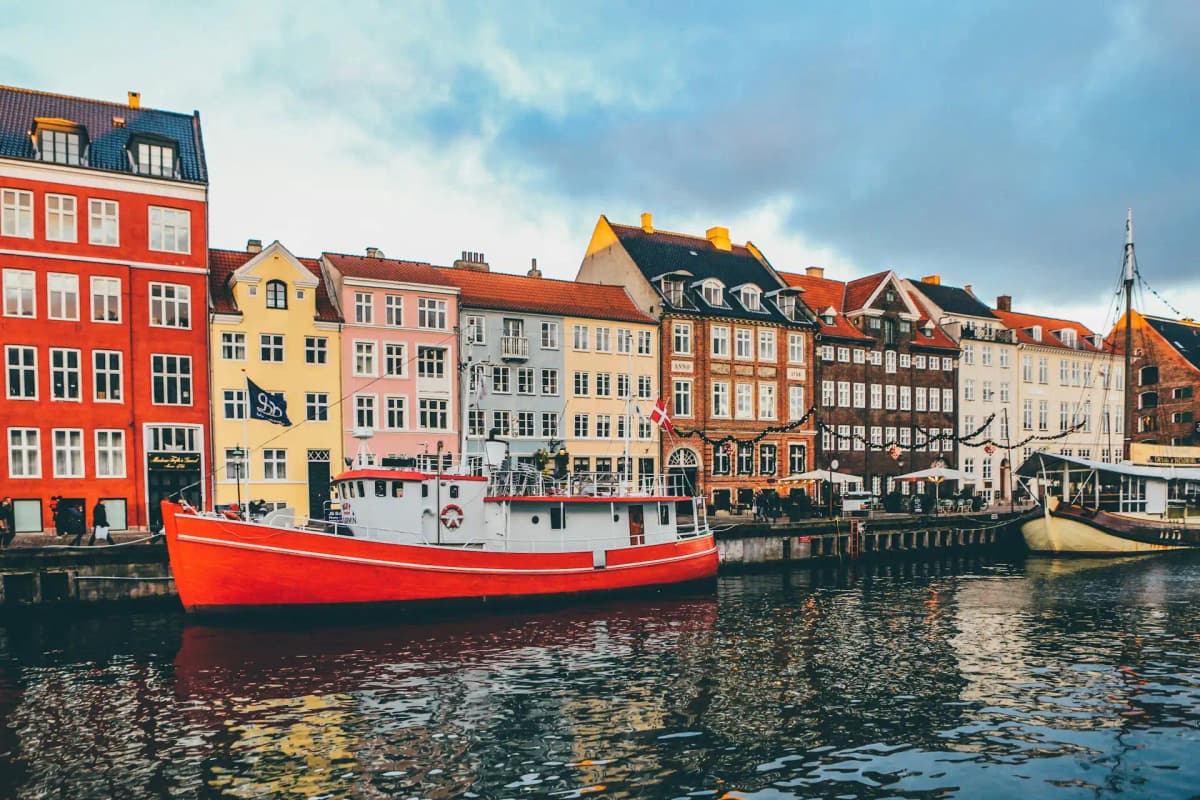
Denmark landscape

Denmark

Explore weather trends, climate data, and curated weather guides for Denmark

Denmark Climate Intelligence

Nestled in Northern Europe, Denmark enjoys a temperate climate shaped by its coastal location. Expect mild winters and pleasant summers, with relatively consistent rainfall throughout the year. Spring and autumn offer transitional beauty, but don't be surprised by sudden shifts in weather! Planning a trip or making business decisions? Get detailed weather insights and information specific to your needs on WeatherBox!

Average Temperature & Seasonal Trends in Denmark

How do temperatures shift month-by-month?

Temperature Map

How to Use This Map

  • Watch Seasons Change

    Click the Play button to start an animated timelapse of annual temperature shifts.

  • Explore Month-by-Month

    Drag the slider controls to pause on specific months and visualize detailed conditions.

Key Summary
  • Denmark’s maritime temperate climate keeps winters mild and summers cool, with no true extremes of heat or cold throughout the year.
  • The western Jutland coast feels windier and slightly cooler, while the eastern islands and Copenhagen area often enjoy somewhat warmer and drier conditions.
  • Long summer daylight, which stretches past 10 p.m., makes even moderately warm afternoons feel inviting for outdoor exploration.

Denmark’s air temperature patterns are shaped by its position between the North Sea and Baltic Sea, giving the entire country a classic maritime temperate climate. Winters remain relatively mild, with daytime highs typically hovering between 1°C and 4°C (34°F to 39°F), and overnight lows rarely dipping far below -3°C (27°F) for extended periods. Summers are cool and fresh, with afternoon temperatures usually falling in the 18°C to 22°C (64°F to 72°F) range, as indicated by the WeatherBox temperature map. Because surrounding water moderates the air, extreme heat waves are uncommon, and when they do arrive, they tend to be brief and broken by sea breezes. Spring warms slowly, often staying crisp through May, while autumn cools gently and brings more frequent drizzle. This narrow annual temperature band means you can expect changeable conditions in any season, often shifting between sun, cloud, and light rain within a single day.

Geography adds subtle but noticeable variety to these patterns. The western coast of Jutland, exposed to prevailing winds off the North Sea, sees the strongest gusts and feels persistently cooler, especially on the expansive dunes near places like Thy National Park. In contrast, the sheltered eastern islands, including Funen and Zealand, frequently bask in slightly higher summer temperatures and fewer rainy days. Copenhagen’s harbourside promenades and Tivoli Gardens are most pleasant in July and August, when highs settle near 21°C (70°F) and the long evenings coax locals and visitors outdoors. Bornholm, set farther east in the Baltic, often enjoys sunny spells but can experience a delayed spring chill that lingers into May. Winter snowfalls are possible everywhere but rarely accumulate deeply or last long on the coasts, turning the city streets and countryside quietly atmospheric rather than severely cold.

For travellers, the period from June to August offers the most consistent weather for cycling, canal boat tours, and wandering cobbled old quarters without the need for heavy layers. May and September, while cooler with highs often around 14°C to 17°C (57°F to 63°F), deliver fewer crowds and bright, clear days that are ideal for exploring castle grounds and coastal paths. Winter visits mean short, grey afternoons and a pervasive damp chill, so a warm, wind-resistant coat, gloves, and a hat are essential if you plan to browse Christmas markets or museum-hop in Copenhagen. Regardless of the season, packing an effective raincoat and breathable layers is wise, because light showers drift in year-round. Denmark’s temperate character means you won’t need to plan around oppressive heat or biting deep cold, only around wind and the ever-present chance of rain. We invite you to explore the full WeatherBox temperature maps and monthly breakdowns to fine-tune your itinerary with local climate detail.

Regional Humidity & Dew Point Patterns in Denmark

How does humidity vary across the country?

Humidity Map

Key Summary
  • Denmark’s maritime setting exhibits high relative humidity, typically 80–90% throughout the year, with no truly dry season.
  • Western Jutland bears the brunt of North Sea moisture, making it the dampest and windiest region, while eastern Zealand and Copenhagen enjoy slightly lower humidity and more comfortable summer days.
  • The most agreeable humidity levels for outdoor exploration occur from May to September, though brief muggy spells can still appear in midsummer.

Denmark’s temperate climate is shaped almost entirely by its geography. A low-lying nation of a peninsula and hundreds of islands, every corner sits within easy reach of the sea. This means the air is nearly always laden with moisture, and year-round humidity levels remain stubbornly high compared to inland continental Europe. During winter, damp air and limited sunshine create a raw, grey chill that can feel colder than the thermometer suggests, while summer brings a soft, comfortable warmth that occasionally tips into muggy or very muggy conditions when slow-moving high pressure pulls in warmer, humid air masses. As our WeatherBox humidity data shows, truly oppressive humidity is rare, but many days from November to March sit in the damp, overcast zone where afternoon relative humidity rarely drops below 85%. For visitors, this translates into a climate defined more by persistent moisture than by extremes, with misty mornings, sudden drizzle, and a pervasive freshness even in the heart of the cities.

Regional variations, though subtle, do exist and are clearly visible on the WeatherBox humidity comfort index map. Western Jutland, facing the full force of the North Sea, absorbs the brunt of Denmark’s moisture-laden westerly winds. Here, places like the windswept dunes of Thy National Park or the tidal flats of the Wadden Sea National Park experience the highest frequency of damp, raw days, with sea fog and low cloud often keeping humidity uncomfortably high even during spring. Moving eastward, you enter a gentler zone. The island of Funen and the Baltic-facing coast of Zealand benefit from a slight rain shadow effect, and Copenhagen sits in one of the drier and sunnier pockets. On summer days when the capital’s historic streets and harbourside cafes are bathed in light, humidity often lingers in the comfortable to muggy range, making it pleasant for cycling the harbour ring or wandering Tivoli Gardens. The rocky island of Bornholm, far to the east, enjoys an even more sheltered microclimate, delivering some of the country’s most reliably comfortable summer weather. Even here, though, a passing shower is never far away.

For travel planning, the interplay of humidity and temperature points to late spring and early autumn as optimal windows. May, June, and September see long daylight hours, generally comfortable humidity, and far fewer of the very muggy days that can appear during July and August heatwaves. Midsummer is still a glorious time to experience Denmark’s coastline and lively festivals, but be prepared for the odd sticky afternoon when the air feels heavy and still. Packing decisions should reflect the country’s moist reality: lightweight, breathable layers for summer, a sturdy raincoat in any season, and wind-resistant outerwear to offset the damp chill that sea breezes bring even in summer. Winter visits are all about embracing hygge indoors, but outside you will face pervasive damp and grey skies. The WeatherBox humidity map can help you pinpoint the areas and months where comfortable outdoor sightseeing is most likely. Explore our Denmark pages for detailed humidity data and year-round insight into planning a visit that matches your comfort preferences.

How to Use This Map

Humidity Comfort Levels
Dry
Comfortable
Uncomfortable
Muggy
Very Muggy
Oppressive
  • Watch Seasons Change

    Click the Play button to start an animated timelapse of annual humidity shifts.

  • Explore Month-by-Month

    Drag the slider controls to pause on specific months and visualize detailed conditions.

  • Find Your Comfort Zone

    Use these insights to identify the ideal time to visit Denmark based on your weather preferences.

Climate Zones of Denmark (Köppen-Geiger Map)

What are the climate zones of Denmark?

Climate Map

Climate Classification Legend

Tropical
Af
Am
Aw
As
Dry
BWh
BWk
BSh
BSk
Temperate
Csa
Csb
Csc
Cwa
Cwb
Cwc
Cfa
Cfb
Cfc
Continental
Dsa
Dsb
Dsc
Dsd
Dwa
Dwb
Dwc
Dwd
Dfa
Dfb
Dfc
Dfd
Polar
ET
EF
Key Summary
  • Denmark sits almost entirely within the mild temperate oceanic climate zone (Cfb), heavily moderated by its low-lying peninsula and island geography.
  • Winters are persistently overcast and damp rather than deeply cold; summers are cool to warm, with long daylight hours but no dry season.
  • The most rewarding travel window is late spring to early autumn, when daylight stretches late and coastal landscapes and city life open up fully.

Denmark’s climate is a story of maritime moderation. The country occupies the Jutland peninsula and an archipelago of more than 400 islands between the North Sea and the Baltic Sea, nowhere rising much above 170 metres in elevation. Under the Köppen climate classification, this geography places virtually all of Denmark in the Cfb (temperate oceanic) zone: mild, lacking a true dry season, with the warmest month averaging below 22°C (72°F). The surrounding seas act as a thermal buffer, keeping winters from plunging to the deep freezes experienced at similar latitudes inland and preventing summer heat from sticking around. Daytime highs in the warmest months typically range from 19°C to 22°C (66°F to 72°F), while winter lows hover near freezing. What you will notice most is the dampness and the wind. Prevailing westerlies sweep moisture in from the North Sea year-round, so overcast skies, high humidity, and frequent light rain are the norm, and long daylight hours in June can mean dazzling evenings even when the thermometer stays modest.

Though the country is compact, there are subtle regional contrasts that matter for your visit. The western coast of Jutland, facing the open North Sea, is noticeably windier, wetter, and cooler in summer, with vast sandy beaches and dune landscapes that feel raw and bracing. Further east, the islands of Funen and Zealand, including Copenhagen, lie in a slightly more sheltered position, where precipitation is lighter and summers tend to be a degree or two warmer. Rainfall is common in most months, often as persistent drizzle from October through March rather than tropical downpours, while late spring and early autumn can deliver stretches of clear, crisp weather ideal for cycling through the rolling countryside. Winter snow does fall, but it rarely lingers for long on the coasts. The cool Baltic waters keep coastal humidity comfortable even when city streets warm up, and the convergence of the two seas at Skagen creates famously wind-whipped, luminous skies that have long attracted artists and travellers.

For most visitors, May through September is the period of comfortable sightseeing weather. June and July offer the longest evenings, when you can stroll Copenhagen’s harbourside, take a canal tour, or picnic beside a castle ruin without needing a jacket after dinner. The peak summer weeks are usually pleasant but rarely sweltering, making it an easy window for exploring the white cliffs of Møn or the colourful waterfront of Nyhavn. From November to March, the days are short, frequently grey, and wet, and many smaller outdoor attractions scale back their hours; the Christmas markets do bring a glow to the dark season if you pack warmly and prepare for damp. Whatever the time of year, you will want a waterproof outer layer, sturdy footwear for cobbled streets, and an extra fleece even in summer. Denmark’s climate is gentle but rarely fully dry, and our monthly charts on WeatherBox let you check typical rainfall and temperature ranges before you book. Explore WeatherBox to match your travel dates with the climate picture and plan a trip that fits your ideal comfort.

Find places with your ideal climate

Use our Climate Finder to search and rank locations by their temperature and humidity patterns.

Open Climate Finder

Compare Weather
in Denmark

See how temperatures, sunshine, and rainfall differ between any two locations on Earth

Denmark flag
CopenhagenDenmark
Change
Denmark flag
AarhusDenmark
Change

Weather Guides

Explore comprehensive annual weather and climate insights for 40 locations in Denmark

Explore other locations in Europe