World > Europe > Finland

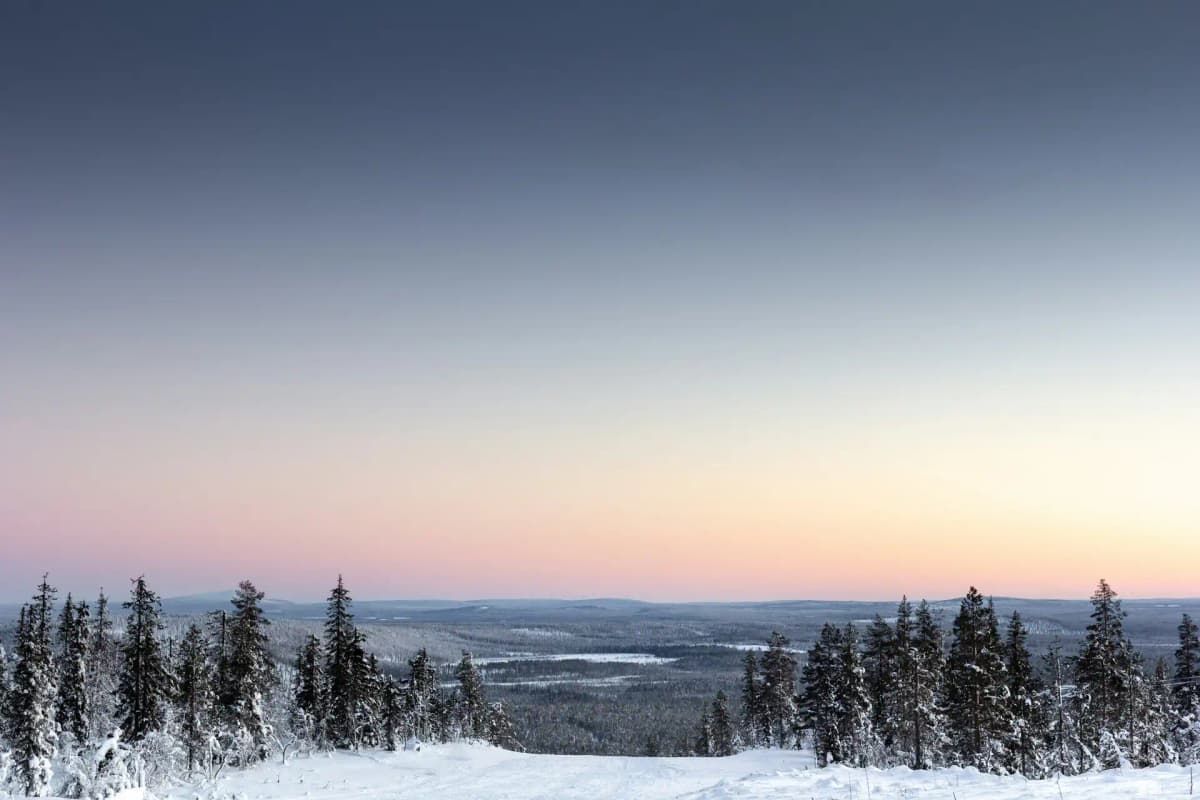
Finland landscape

Finland

Explore weather trends, climate data, and curated weather guides for Finland

Finland Climate Intelligence

Nestled in Northern Europe, Finland experiences a captivating climate shaped by its high latitude and proximity to the Baltic Sea. Prepare for long, cold winters with abundant snowfall, followed by surprisingly warm, short summers where daylight stretches for nearly 24 hours. The transition seasons of spring and autumn bring their own unique beauty and challenges. Planning a trip or making business decisions? Delve deeper into Finland's weather patterns to ensure you're perfectly prepared on WeatherBox.

Average Temperature & Seasonal Trends in Finland

How do temperatures shift month-by-month?

Temperature Map

How to Use This Map

  • Watch Seasons Change

    Click the Play button to start an animated timelapse of annual temperature shifts.

  • Explore Month-by-Month

    Drag the slider controls to pause on specific months and visualize detailed conditions.

Key Summary
  • Finland’s position near the Arctic produces extreme seasonal temperature shifts, from freezing, snow-heavy winters to brief but pleasantly mild summers.
  • The country’s north-south length creates a stark divide: Lapland endures a harsh subarctic chill, while the southern Baltic coastline stays comparatively gentler.
  • Inland lakes and coastal waters moderate local temperatures in summer, but leave interior regions exposed to deeper, more persistent cold during winter.

Air temperatures across Finland follow a rhythm shaped by the high latitudes. As indicated by the WeatherBox temperature map, the country stretches from the 60th parallel to well above the Arctic Circle, and that span brings sharp contrasts. Southern centres such as Helsinki and Turku see typical summer daytime highs of 20°C to 25°C (68°F to 77°F), with nights settling around 10°C to 15°C (50°F to 59°F). Once winter locks in, those same coastal cities usually hover between -5°C and -15°C (23°F to 5°F), though colder snaps can occur. Travel north into Lapland and the numbers shift dramatically. Around Rovaniemi and further into the fells, midwinter lows routinely plunge below -20°C (-4°F), and the ground stays frozen for months. Even in July, when the midnight sun floods the landscape, daytime readings in Lapland often reach only 15°C to 20°C (59°F to 68°F), and night-time frost is never far away. The WeatherBox temperature map offers a clear snapshot of this steep south-to-north cooling trend.

Regional weather differences are tightly woven into Finland’s geography. The Baltic Sea and a whisper of Gulf Stream influence keep the southern and southwestern coast noticeably milder, so the archipelago near Turku and the Helsinki waterfront escape the harshest winter bite. Inland, and especially across the eastern Lakeland region, a continental climate takes charge. Summers here can occasionally push above 30°C (86°F), making lake waters warm enough for a refreshing swim, but winters bite harder and snow cover is dependable. Northern Finland sits fully inside the subarctic zone. The prolonged polar night from late autumn into winter brings weeks of dim, freezing stillness, while the rapid spring thaw gives way to a short summer where hikers on the fells enjoy crisp, bright days and gloriously clear skies for hunting the northern lights when the season shifts back to autumn. Refer to the WeatherBox temperature map to trace this climatic border as it runs diagonally across the country, separating the snow-laden eastern woodlands from the breezier Gulf of Bothnia coast.

The temperature calendar heavily shapes your travel choices. The most broadly favourable window runs from June through August, when long, light-filled days and mild warmth suit city roaming, cottage holidays by the lakes, or unhurried cruises through the Helsinki archipelago. Even then, cool, rainy interludes can roll in, so packing a waterproof jacket and a mid-layer is wise. Autumn days grow increasingly chilly and wet, and spring often means slushy, melting snow, making both seasons less forgiving for casual visitors. Winter, from November to March, reimagines Finland as a snow-draped world where Lapland’s daytime temperatures frequently sit between -10°C and -25°C (14°F to -13°F). This is the season for northern lights viewing, cosy sauna evenings, and sleigh rides through silent forests, but it demands serious thermal clothing, insulated boots, and an acceptance of very short daylight hours. The WeatherBox temperature map helps you weigh comfort against ambition. For deeper monthly averages and inspiration for planning around Finland’s distinct thermal seasons, explore WeatherBox.

Regional Humidity & Dew Point Patterns in Finland

How does humidity vary across the country?

Humidity Map

Key Summary
  • Finland’s humidity is strongly seasonal—summers are comfortably humid to occasionally muggy, while winters are distinctly dry.
  • The coastal and lake regions experience higher moisture levels than inland Lapland, as the Baltic Sea and thousands of lakes add local humidity.
  • The WeatherBox humidity comfort index map shows most of Finland remains comfortably dry, with only brief muggy periods in the south and Lakeland during July and August.

Finland’s humidity patterns reflect its high latitude and a blend of maritime and continental influences. Outdoor relative humidity commonly sits in the 70–85 per cent range through the year, but the feel of the air depends heavily on temperature. The long winter delivers cold, crisp air that holds very little moisture, so it feels Dry despite the high relative humidity—indoor heating only intensifies the arid sensation. When summer arrives, temperatures climbing above 20°C (68°F) can combine with moisture from the Baltic Sea and Finland’s countless lakes to nudge the air from Comfortable into Muggy territory, particularly on still, overcast days. Our climate records show that true Muggy spells are short-lived, mostly peaking in July and early August, and rarely become oppressive. As the WeatherBox humidity map reveals, these pockets of elevated humidity are limited to the southern coast and the lake districts.

Geography creates clear regional differences. Coastal Helsinki and Turku enjoy moderating sea breezes, but on windless July afternoons, humidity can drift into an Uncomfortable range while you stroll the harbourside markets. The Lakeland region around Saimaa and Savonlinna, with its maze of lakes, boosts local moisture, and you may encounter a day or two of Very Muggy conditions when the water-warmed air sits heavy over the shimmering water—early morning mist is a telltale sign. In Lapland, the pattern reverses. The far north experiences a dry subarctic climate, so summer days under the midnight sun are usually Comfortable or even Dry, ideal for relaxed fell walks and gentle wildlife watching. Refer to the WeatherBox humidity map to track how the comfort index shifts from those southern muggy patches to the crisp, dry air of the Arctic Circle.

For travel planning, the most comfortably dry and mild windows are late spring (May–June) and early autumn (August–September), when humidity stays in the Comfortable zone and daylight stretches long. July remains the peak season for dipping into lake culture and cruising the archipelago, though our data indicates perhaps half a dozen Muggy days might appear in the south. Packing light, breathable fabrics and a sturdy raincoat will cover you for summer’s mix. Winter visits, from November to March, demand attention to the dry air: a good moisturizer and lip balm become as essential as thermal layers, while a silk scarf can shield against the crackling indoor dryness. The only raw period is late autumn, when dampness creeps in alongside cooling temperatures. Overall, Finland’s humidity seldom disrupts the outdoor pastimes it is famous for—cycling through birch forests, foraging for berries, or warming up in a lakeside sauna. For month-by-month humidity trends and the full comfort index map, explore WeatherBox as you shape your Finnish adventure.

How to Use This Map

Humidity Comfort Levels
Dry
Comfortable
Uncomfortable
Muggy
Very Muggy
Oppressive
  • Watch Seasons Change

    Click the Play button to start an animated timelapse of annual humidity shifts.

  • Explore Month-by-Month

    Drag the slider controls to pause on specific months and visualize detailed conditions.

  • Find Your Comfort Zone

    Use these insights to identify the ideal time to visit Finland based on your weather preferences.

Climate Zones of Finland (Köppen-Geiger Map)

What are the climate zones of Finland?

Climate Map

Climate Classification Legend

Tropical
Af
Am
Aw
As
Dry
BWh
BWk
BSh
BSk
Temperate
Csa
Csb
Csc
Cwa
Cwb
Cwc
Cfa
Cfb
Cfc
Continental
Dsa
Dsb
Dsc
Dsd
Dwa
Dwb
Dwc
Dwd
Dfa
Dfb
Dfc
Dfd
Polar
ET
EF
Key Summary
  • Finland’s high latitude (60°N–70°N) drives extreme seasonal daylight contrasts, from the midnight sun in summer to the polar night in winter.
  • Much of the country falls under a subarctic climate (Dfc) , while the south and southwest coasts enjoy a milder humid continental climate (Dfb) , thanks to the Baltic Sea and North Atlantic drift.
  • Long, snowy winters underpin the nation’s winter tourism, whereas brief summers are pleasantly mild but accompanied by clouds, occasional rain, and mosquitoes in lake-dotted areas.

Finland’s climate is shaped by its position astride the Arctic Circle and a flat, lake-studded landscape that lets weather systems sweep unhindered from the north and west. On Köppen maps, the dominant subarctic climate (Dfc) covers everything from the central lakeland to Lapland, while a narrow humid continental (Dfb) zone hugs the southern and southwestern coasts, including Helsinki and Turku. Despite the high latitude, the North Atlantic Current gives Finland a surprising assist, keeping winters much less severe than those of Siberia or northern Canada at similar latitudes. Still, winter is long and cold: snow cover lasts roughly four to five months in the south and up to seven months in the far north. Summer arrives abruptly in June, when the landscape thaws and temperatures typically climb to 15°C–25°C (59°F–77°F). The WeatherBox charts underline this sharp seasonal see-saw, showing how precipitation is modest year-round, though late summer often brings the wettest weeks in the form of persistent but rarely heavy rain.

Regional differences are a story of maritime moderation versus continental rigour. Along the Dfb southern seaboard, where the Gulf of Finland and the Archipelago Sea buffer the air, winter temperatures often hover between -5°C and -10°C (23°F–14°F), and the snowpack can be patchy in milder spells. Heading inland and north into the vast subarctic (Dfc) zone, winters deepen. In Lapland’s fell country, temperatures routinely drop to -15°C to -30°C (5°F to -22°F), and the snow-laden forests stay crystalline and quiet for months. This is the realm of the midnight sun from late May to late July, when visitors in Lakeland and Lapland can explore beneath a 24-hour glow. In midwinter, the polar night (kaamos) envelops the north in blue-tinted twilight, an ideal backdrop for aurora-lit skies. The mosquito season peaks in June and July across the interior, so head-nets and repellent become part of the summer landscape if you wander far from coastal breezes.

Travel rhythms in Finland follow these stark seasonal swings. The optimal window for comfortable sightseeing and archipelago ferry-hopping runs from June to August, when daylight is virtually endless and temperatures make urban strolling and lakeside saunas a pleasure. A lightweight jacket, breathable layers, and sturdy rain gear will serve you well, and sun protection is easy to overlook but essential under the persistent summer sun. For visitors drawn to the snow-heavy forests of Lapland, dog-sledding and Aurora-chasing shine from December through March, with February often prized for the brightest snow and most stable snow cover. Pack insulated, windproof clothing and insulated boots, because even the coast feels raw when the wind picks up. The shoulder months of April and November can be the most challenging: melting slush in spring and dark, rain-soaked slush in late autumn before the lasting snow arrives. For detailed season-by-season temperature ranges, rainfall patterns, and daylight hours, explore the interactive climate charts on WeatherBox and plan your Finnish journey.

Find places with your ideal climate

Use our Climate Finder to search and rank locations by their temperature and humidity patterns.

Open Climate Finder

Compare Weather
in Finland

See how temperatures, sunshine, and rainfall differ between any two locations on Earth

Finland flag
HelsinkiFinland
Change
Finland flag
TampereFinland
Change

Weather Guides

Explore comprehensive annual weather and climate insights for 59 locations in Finland

Explore other locations in Europe