World > Europe > United Kingdom

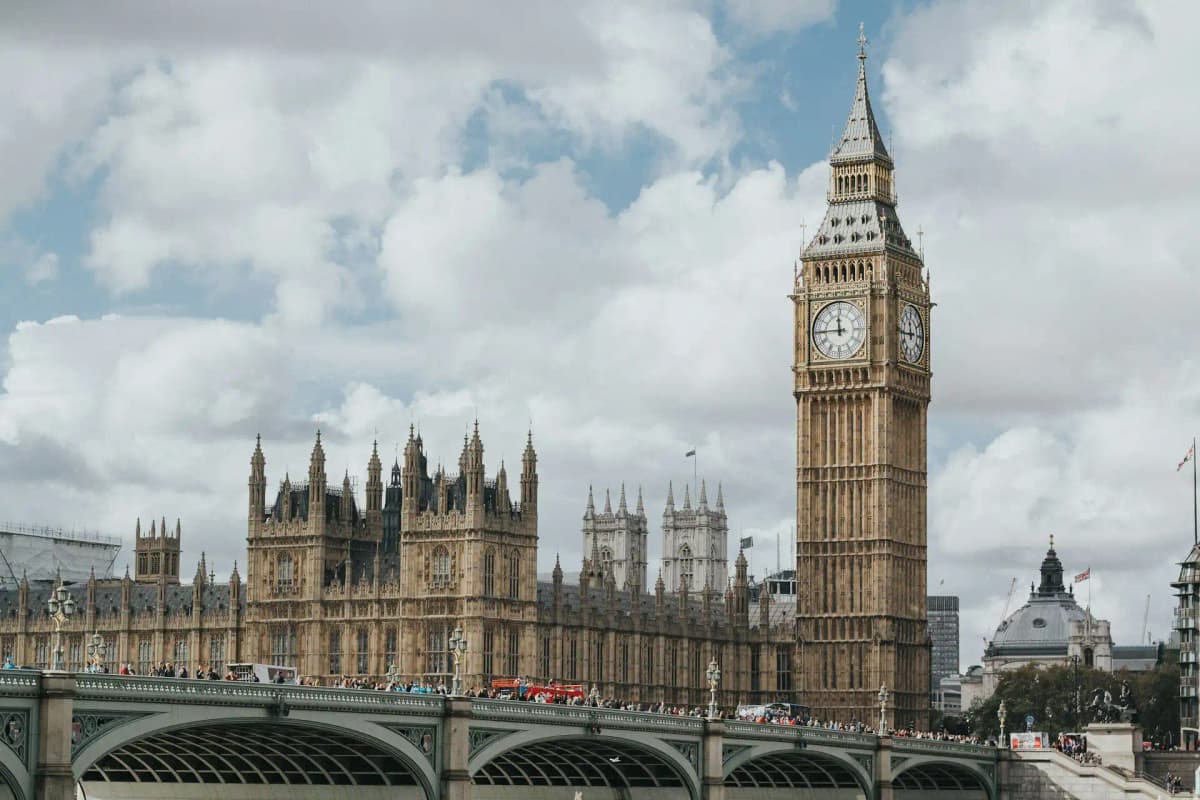
United Kingdom landscape

United Kingdom

Explore weather trends, climate data, and curated weather guides for United Kingdom

United Kingdom Climate Intelligence

Located off the northwest coast of mainland Europe, the United Kingdom experiences a famously temperate maritime climate – meaning prepare for variety! Winters are typically cool and damp, though occasional crisp frosts and snow aren't uncommon, while summers bring warmth often mixed with sunshine and showers, making predictability a challenge. Rain is frequent year-round, so whether you're planning a trip or need reliable data for business decisions, dive into detailed regional weather insights and historical patterns on WeatherBox!

Average Temperature & Seasonal Trends in United Kingdom

How do temperatures shift month-by-month?

Temperature Map

How to Use This Map

  • Watch Seasons Change

    Click the Play button to start an animated timelapse of annual temperature shifts.

  • Explore Month-by-Month

    Drag the slider controls to pause on specific months and visualize detailed conditions.

Key Summary
  • The United Kingdom has a temperate maritime climate, keeping annual temperatures generally mild with no prolonged extremes of heat or cold.
  • Regional temperature differences are shaped by latitude, elevation, and distance from the sea, with the southeast typically warmer and drier than the cooler, wetter northwest.
  • As the WeatherBox temperature map illustrates, average summer highs are pleasingly warm, while winter lows seldom plunge far below freezing, especially along western and southern coasts.

The United Kingdom’s air temperature story is one of moderation rather than drama, thanks largely to the maritime influence of the surrounding Atlantic Ocean and the warming effect of the Gulf Stream. In simple terms, the sea acts as a giant thermal buffer, nudging summer heat down and lifting winter chills up. Most lowland areas see average daytime highs in July and August settle between 18°C and 23°C (64°F to 73°F), while January averages tend to hover from roughly 2°C to 7°C (36°F to 45°F). These are gentle ranges, but what you actually feel day to day can swing noticeably under the ever-present cloak of cloud and dampness that defines the British Isles. During a wet, overcast spell in November, a technically mild-reading day can feel raw and penetrating, while a rare clear-sky winter night under high pressure might deliver a sharp ground frost. The WeatherBox temperature map helps visualise these seasonal rhythms, revealing a country where latitude nudges the thermometer more obviously than any extreme continental influence.

Geography weaves finer detail into this temperate picture. The warmest conditions generally settle over southeastern England and parts of East Anglia, where a combination of lower latitude, distance from the rain-bearing winds off the Atlantic, and the urban heat island of London can push summer daytime highs into the mid-twenties Celsius (mid-70s Fahrenheit) more frequently. Head west and north and the patterns shift: as you cross into Wales, the Pennines, or the Scottish Highlands, elevation and exposure to moisture-laden westerly winds trim temperatures back. Strolling the handsome crescents of Bath or exploring the ancient university courtyards of Oxford on a July afternoon typically feels far warmer and more settled than walking the drizzle-draped shores of a Highland loch at the same time of year. In the mild winter corners of Cornwall and the Isles of Scilly, the maritime embrace is so strong that frost and snow are rare visitors, while the cooler highlands of Scotland hold onto snow patches well into spring. The WeatherBox temperature map picks up these contrasts clearly, highlighting the ribbons of mild air hugging the western seaboard and the brisker interior uplands.

For travel planning, these temperature rhythms nudge the most broadly favourable window between May and September. Late spring and early summer, particularly June, often deliver a sweet spot of long daylight hours and emerging warmth before the school holiday crowds peak in July and August. September can be an equally appealing choice, with sea temperatures at their seasonal warmest and the chance of fine, settled spells. Winter visits bring their own moody appeal, but you should expect short daylight, persistent dampness, and temperatures that frequently dip low enough for a chilly, bone-deep coolness on damp days, even if the mercury rarely reads below freezing in cities. Packing sensibly means layered clothing: lightweight jumpers and a good waterproof outer shell are useful in any month precisely because the weather can toggle from damp and breezy to sunny and mild in a single afternoon. If wandering the windswept beaches of Cornwall in early spring or savouring the cosy glow of a pub after a bracing walk through the Lake District fells sounds appealing, a flexible wardrobe and a tolerance for a bit of rain will serve you well. For deeper temperature comparisons and month-by-month averages to help shape your journey, we invite you to explore the wider data and charts on WeatherBox.

Regional Humidity & Dew Point Patterns in United Kingdom

How does humidity vary across the country?

Humidity Map

Key Summary
  • The United Kingdom features a temperate maritime climate characterized by high relative humidity levels year-round, influenced by the surrounding Atlantic Ocean and North Sea.
  • Regional variations exist between the moisture-rich western coastlines and the relatively drier eastern counties, which are shielded by inland highland areas.
  • While humidity is persistent, the cool air temperatures typically keep the conditions within the comfortable range on the WeatherBox humidity index.

The United Kingdom experiences a climate largely defined by its proximity to the Atlantic Ocean, resulting in high levels of moisture throughout the year. According to WeatherBox data, the country maintains high relative humidity, often ranging between 70 and 90 percent. However, because air temperatures are generally mild or cool, these levels rarely translate into the oppressive heat found in tropical regions. Instead, the air typically feels damp and fresh rather than heavy. You will notice that the atmosphere remains stubbornly high in moisture regardless of the season, a pattern clearly visible across the regions as indicated by the WeatherBox humidity map. This consistent moisture is responsible for the lush green landscapes and the frequent presence of low clouds that characterize the British Isles.

Regional variations are driven by the prevailing southwesterly winds and the varied topography of the land. The western reaches, including the rugged coastlines of Cornwall and the misty highlands of Scotland, receive the full force of Atlantic moisture. These areas often experience higher dew points and more frequent rainfall than their eastern counterparts. In contrast, eastern regions such as East Anglia sit in a rain shadow created by central hills and mountains, leading to slightly drier conditions. During the peak of summer, urban centers in the south, such as London, may occasionally encounter uncomfortable or muggy conditions when warm continental air masses move in from Europe. While these periods are usually brief, they represent the few times the UK deviates from its standard comfortable rating on our charts. Whether you are exploring the drizzle-soaked historical streets of Edinburgh or the sunnier beaches of the south coast, the humidity levels remain a vital factor in the local weather experience.

For those planning a visit, the most favourable conditions typically occur between late spring and early autumn. May and June often provide a balance of clear air and moderate moisture, making it an ideal time for outdoor sightseeing and visiting famous botanical gardens. By July and August, the humidity can sometimes rise, and while it rarely becomes very muggy, the combination of heat and moisture can make long walks in the city feel more taxing. Conversely, winter months are characterized by damp and chilly air that, while technically high in relative humidity, feels sharp rather than heavy. We recommend packing a versatile wardrobe of light, breathable fabrics for the summer and high-quality waterproof layers for the rest of the year to manage the frequent moisture. Sun protection is also necessary during the brighter months, as the coastal air can be deceptive. For more detailed insights into the specific conditions of your destination, refer to the WeatherBox humidity map and our comprehensive seasonal data to help you plan your next British adventure.

How to Use This Map

Humidity Comfort Levels
Dry
Comfortable
Uncomfortable
Muggy
Very Muggy
Oppressive
  • Watch Seasons Change

    Click the Play button to start an animated timelapse of annual humidity shifts.

  • Explore Month-by-Month

    Drag the slider controls to pause on specific months and visualize detailed conditions.

  • Find Your Comfort Zone

    Use these insights to identify the ideal time to visit United Kingdom based on your weather preferences.

Climate Zones of United Kingdom (Köppen-Geiger Map)

What are the climate zones of United Kingdom?

Climate Map

Climate Classification Legend

Tropical
Af
Am
Aw
As
Dry
BWh
BWk
BSh
BSk
Temperate
Csa
Csb
Csc
Cwa
Cwb
Cwc
Cfa
Cfb
Cfc
Continental
Dsa
Dsb
Dsc
Dsd
Dwa
Dwb
Dwc
Dwd
Dfa
Dfb
Dfc
Dfd
Polar
ET
EF
Key Summary
  • The United Kingdom has a temperate oceanic climate (Köppen Cfb), with mild, damp weather year-round and no true dry or extreme seasons.
  • Prevailing westerly winds and the warming influence of the North Atlantic Drift keep temperatures moderate but bring frequent cloud and rainfall, especially to western regions.
  • A distinct rain shadow effect east of high ground creates noticeable differences, making parts of eastern England noticeably drier and sunnier than the west.

Almost the entire United Kingdom falls under the temperate oceanic climate (Köppen Cfb), a classification synonymous with cool, moisture-laden conditions and a lack of dramatic temperature swings. The highest, most exposed terrain in the Scottish Highlands grades into a subpolar oceanic variant (Cfc), but for the vast majority of visitors the hallmark is classic Cfb: mild, wet winters and cool, damp summers. The surrounding seas and the moderating pulse of the North Atlantic Drift prevent deep cold, so frost and snow are uncommon at low elevations, while the persistent westerly airflow wraps the islands in humidity and frequent, though seldom intense, rain. Our WeatherBox charts confirm a narrow annual temperature range, typically hovering between roughly 2°C and 22°C (36°F to 72°F) across most populated areas, a pattern that makes extreme heat or biting cold the exception rather than the rule.

Geography reshapes this uniform baseline into two distinct rainfall realities. The western coasts of Scotland, Wales, and southwest England intercept the full force of Atlantic moisture, producing lush, drizzly landscapes that define sights like the mist-shrouded lochs of the Scottish Highlands or the fern-draped gorges of Snowdonia. In contrast, eastern areas from the London Basin to East Anglia sit in a pronounced rain shadow, often receiving less than half the rainfall of western uplands while claiming brighter, sunnier spells. Seasonal shifts are muted yet noticeable. Spring emerges slowly with cool bursts of sunshine. Summer days stretch long and pleasantly mild, though occasional heatwaves push the mercury into the low 30s Celsius (upper 80s Fahrenheit) for a few days. Autumn lights up woodlands with gold but also ushers in robust Atlantic depressions that deliver stubbornly high rainfall and gusty winds. Winter is a dim, damp affair; snow can dust northern hills but visits cities like London or York only sporadically, rarely settling for long.

For travel, the most forgiving window spans late May through September, when extended daylight and the countryside’s deepest green reward rambles across the undulating pastures of the Cotswolds or walks along the rain-dampened cobbles of York’s medieval streets. Even in midsummer, persistent drizzle and sudden temperature dips are facts of life, so layering a waterproof shell over light sweaters is a wise approach. The shoulder months of April and October trade peak crowds for higher odds of rain and stiff breezes, while winter lures visitors to festive markets and cozy pub evenings, though brief days and grey skies can shrink sightseeing hours. A flexible mindset and footwear that handles slick grass and wet pavement will serve you in any season. For detailed month-by-month breakdowns and regional climate maps, explore WeatherBox and build your itinerary around the rhythms of Britain’s ever-changeable skies.

Find places with your ideal climate

Use our Climate Finder to search and rank locations by their temperature and humidity patterns.

Open Climate Finder

Compare Weather
in United Kingdom

See how temperatures, sunshine, and rainfall differ between any two locations on Earth

United Kingdom flag
LondonUnited Kingdom
Change
United Kingdom flag
BirminghamUnited Kingdom
Change

Weather Guides

Explore comprehensive annual weather and climate insights for 128 locations in United Kingdom

Explore other locations in Europe