World > Europe > Greece

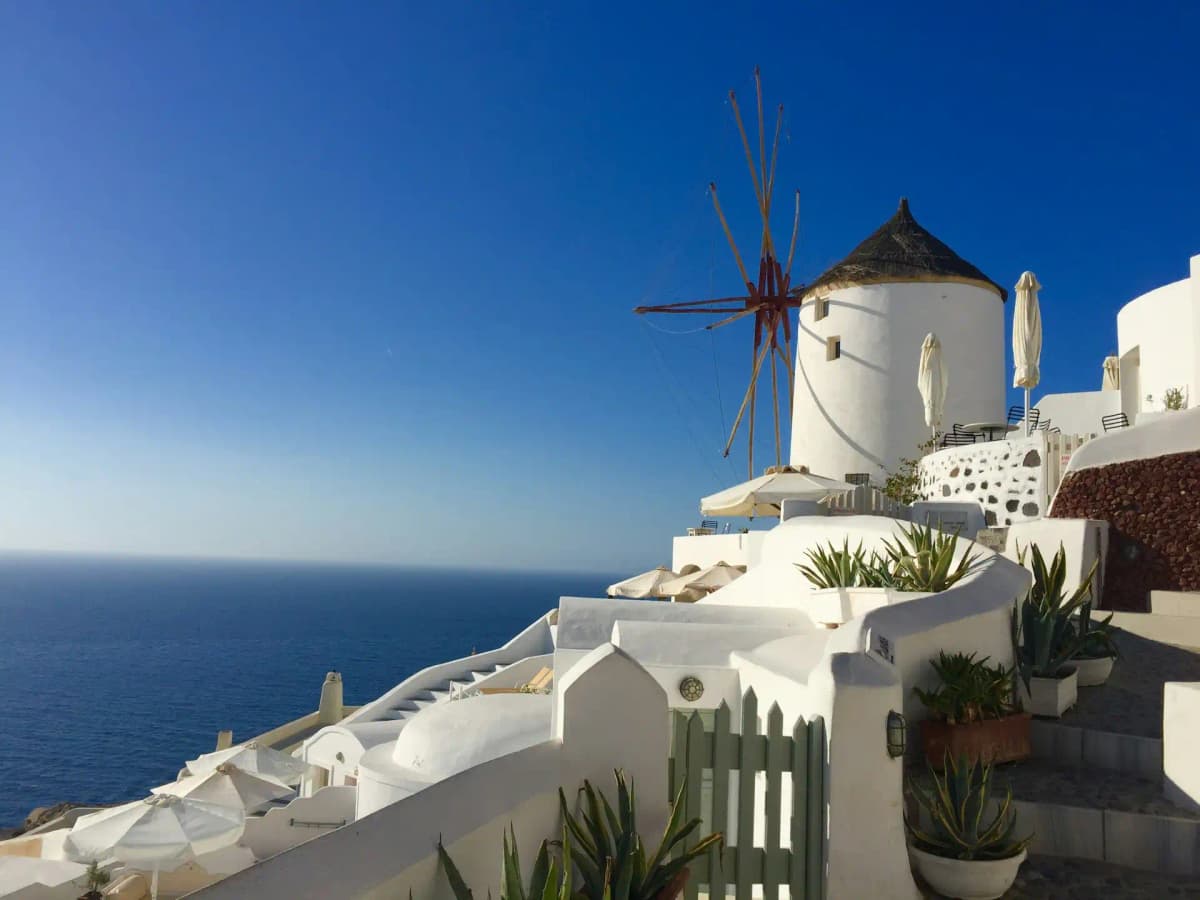
Greece landscape

Greece

Explore weather trends, climate data, and curated weather guides for Greece

Greece Climate Intelligence

Nestled in southeastern Europe, Greece boasts a classic Mediterranean climate. Expect mild, wet winters followed by hot, dry summers, a pattern that promises ample sunshine for your vacation or perfect growing conditions for business. While winter brings cooler temperatures and some rainfall, summers are long and sun-drenched, ideal for exploring ancient ruins and idyllic islands. Want a more detailed breakdown for your trip or business planning? Explore WeatherBox for comprehensive weather insights tailored to your needs!

Average Temperature & Seasonal Trends in Greece

How do temperatures shift month-by-month?

Temperature Map

How to Use This Map

  • Watch Seasons Change

    Click the Play button to start an animated timelapse of annual temperature shifts.

  • Explore Month-by-Month

    Drag the slider controls to pause on specific months and visualize detailed conditions.

Key Summary
  • Greece enjoys a classic Mediterranean climate with long, dry, hot summers and mild, wet winters, but temperatures shift dramatically between coastal areas and inland mountains.
  • The northern mainland and high-altitude regions experience cooler winters with snow, while the southern islands stay warm well into autumn.
  • Spring and autumn are the most comfortable seasons for travel, offering pleasant warmth without the intense summer heat or winter rainfall.

Greece is a sun-drenched country where sea and mountains create distinct thermal zones. In general, the Mediterranean climate dominates: summers bring prolonged heat and cloudless skies, with daytime highs commonly reaching 28°C to 35°C (82°F to 95°F) along the coasts and islands. Winters are soft on the shore, where temperatures typically hover between 7°C and 13°C (45°F to 55°F), but inland and at elevation the mercury drops lower. As you can see on the WeatherBox temperature map, the warmth is far from uniform. Geography carves the country into stark temperature regions, so the air you feel on a Cycladic beach in July is a world apart from a crisp January morning in the northern highlands.

The northern mainland, including Macedonia and Epirus, experiences a more continental influence, with brisk winters that can blanket Thessaloniki in snow. By contrast, Athens and the Peloponnese see very hot summers, with urban heat pushing daytime highs beyond 37°C (99°F). The islands tell their own story. Crete and the Dodecanese keep a warm glow through October, while the Cyclades’ Meltemi winds provide natural air conditioning that tempers the fierce August sun. On the Ionian coast, a slightly wetter pattern keeps greenery lush, but summer remains dependably dry. The WeatherBox temperature map highlights these gradients, helping you pinpoint where you might bask on a sun-drenched beach or stroll ancient ruins under brilliant Mediterranean light. In the mountainous centre, uplands like the Pindus range stay cool even in midsummer, making them a refuge from the coastal swelter.

For most visitors, late spring (May to mid-June) and early autumn (September to early October) are the sweet spots. You get long, sunny days with temperatures often settled between 20°C and 27°C (68°F to 81°F), ideal for island-hopping, exploring archaeological sites without oppressive heat, or dining outdoors in the warm evenings. July and August bring peak heat, especially inland and in Athens. The sea and cooling Aegean breezes are your best allies then. Winter (November to March) turns quiet and damp, with fewer ferries and some accommodations closing, yet you can enjoy famous sites with almost no crowds, provided you pack a raincoat and wear layers. We suggest packing light, breathable fabrics, a wide-brimmed sun hat, and a good sunscreen for the long sunny season, while a sweater and waterproof jacket are wise for the cooler months. Greece’s climate, with its splendid seasonal rhythm, rewards both the sun-seeker and the history buff. For deeper data and interactive maps to plan your ideal visit, explore WeatherBox.

Regional Humidity & Dew Point Patterns in Greece

How does humidity vary across the country?

Humidity Map

Key Summary
  • Greece’s summer humidity is largely dry and comfortable, especially across the Aegean islands and eastern coastal areas where persistent Meltemi winds sweep away moisture.
  • Regional contrasts are sharp: the Ionian coast and western mainland see higher humidity and occasional muggy spells in summer, while mountainous interiors stay cooler and more humid year-round.
  • Winter brings a general rise in humidity nationwide, with the most noticeable dampness along western shores, yet conditions rarely become oppressive outside of confined urban heat pockets.

From late spring through early autumn, Greece basks in a classic Mediterranean rhythm of long sunny days and low to moderate humidity that makes outdoor exploration a genuine pleasure. In popular destinations like Athens and the Cyclades, afternoon relative humidity frequently settles in the comfortable 40–55% range, assisted by the reliable Meltemi — a dry northerly wind that funnels through the Aegean Sea. As you move into July and August, temperatures climb, but the air remains remarkably fresh; our humidity data confirms it is common to feel only the slightest stickiness during evening strolls through whitewashed villages or while dining seaside under star-filled skies. Briefly consult the WeatherBox humidity map and you will spot large swaths of the Aegean basin shaded in the most favourable categories. In contrast, areas shielded from the Meltemi, such as the gulfs of Argolida or parts of the Dodecanese in calm weather, can tip into muggy territory for short spells, though this rarely dominates an entire holiday.

Geography sculpts these moisture patterns with striking clarity. The Ionian Islands — Corfu, Zakynthos, Kefalonia — and the adjacent mainland coastline receive more persistent westerly flow off the Adriatic, which pushes humidity levels higher and can keep summer mornings noticeably damp with dew. Here, afternoons around terraced olive groves and cypress-backed beaches may feel uncomfortable on still, hot days, a sharp change from the crisp air of Santorini or Naxos where gloriously clear skies for photographing ancient ruins and caldera views are the norm. Mainland mountain ranges, including the Pindus and the Peloponnese spine, act as humid traps in winter, soaking up rain and snowfall that blanket valleys and sustain riverside plane-tree forests into spring. By November, much of the country enters a wetter phase; relative humidity routinely sits in the 70–85% range overnight, creating dewy mornings ideal for exploring forested archaeological sites like Dodona and Delphi, where the air feels cool and comfortable rather than raw. The WeatherBox humidity map highlights these inland and western zones with different comfort bands, making it easy to see why the eastern side of Greece is the first choice for heat-sensitive travellers.

Timing a trip around Greece’s humidity patterns is a straightforward way to heighten comfort. The sweet spots are late May through June and September to mid-October, when humidity is comfortable across almost all regions, sea temperatures are pleasant, and the heat remains inviting rather than draining. During July and August, the Aegean coast and islands give you dry afternoons even when thermometers climb, so lightweight linen clothing, ventilation, and sun protection are your best allies; on the Ionian side, you may want to pack a breathable extra layer for muggy evenings. From November to March, the weather turns more variable: rainy days increase, indoor humidity creeps higher, and a packable raincoat becomes sensible, particularly if you plan to wander marble-paved lanes or visit hilltop towns. Ultimately, Greece delivers a palette of humidity experiences shaped by wind, sea, and rock — from crisp Cycladic mornings to lush, moisture-fed coastal forests. For a deeper look at these seasonal and regional nuances, explore WeatherBox where you can pair our humidity maps with extended seasonal outlooks and fine-tune your trip to match your preferred weather.

How to Use This Map

Humidity Comfort Levels
Dry
Comfortable
Uncomfortable
Muggy
Very Muggy
Oppressive
  • Watch Seasons Change

    Click the Play button to start an animated timelapse of annual humidity shifts.

  • Explore Month-by-Month

    Drag the slider controls to pause on specific months and visualize detailed conditions.

  • Find Your Comfort Zone

    Use these insights to identify the ideal time to visit Greece based on your weather preferences.

Climate Zones of Greece (Köppen-Geiger Map)

What are the climate zones of Greece?

Climate Map

Climate Classification Legend

Tropical
Af
Am
Aw
As
Dry
BWh
BWk
BSh
BSk
Temperate
Csa
Csb
Csc
Cwa
Cwb
Cwc
Cfa
Cfb
Cfc
Continental
Dsa
Dsb
Dsc
Dsd
Dwa
Dwb
Dwc
Dwd
Dfa
Dfb
Dfc
Dfd
Polar
ET
EF
Key Summary
  • Greece is overwhelmingly a Hot-summer Mediterranean (Csa) climate, marked by prolonged dry summers and mild, rainier winters that dominate the coastlines and islands.
  • The Pindus mountain range creates a stark east-west divide, with lush, wet western slopes and a rain-shadowed southeastern zone that includes the Cold semi-arid (BSk) Cyclades.
  • Late spring and early autumn offer the most balanced travel conditions, while peak summer heat and the persistent Meltemi wind define July and August across the Aegean.

Greece’s climate, as portrayed in our Köppen classification maps on WeatherBox, unfolds as a classic Mediterranean story with important regional twists. The majority of the country, from the Peloponnese peninsula to Crete and the islands of the Ionian and Aegean seas, lies squarely within the Hot-summer Mediterranean (Csa) zone. Here, the hallmark is a conspicuous summer drought: months of virtually uninterrupted sunshine, high temperatures, and parched earth, followed by a winter wet season when Atlantic-fed depressions deliver most of the year’s precipitation. A cooler variant, Warm-summer Mediterranean (Csb) , clings to higher western slopes and parts of the Pindus range, where altitude tempers the summer sizzle. In stark contrast, the rain shadow east of those mountains carves out a Cold semi-arid (BSk) belt. This includes parts of Attica, the sun-scoured Cycladic islands such as Mykonos and Santorini, and southeastern reaches where annual rainfall dwindles noticeably. The far northern interior, influenced by continental Balkan air masses, flirts with a Humid subtropical (Cfa) fringe, experiencing more evenly spread rainfall and genuinely chilly winters compared to the deep south. This neat Köppen framework, grounded in WeatherBox’s data, underscores a simple truth: Greece’s weather shifts dramatically as you move from the Ionian shore to the heart of the Aegean.

Geography carves the country into vivid seasonal personalities. The Pindus range, running northwest to southeast like a spine, intercepts moisture-laden westerly winds, drenching Corfu, Kefalonia, and the western mainland with the highest rainfall totals between November and March. Winter here means green, rolling landscapes and the rush of waterfalls, while summer brings the characteristic Mediterranean gold. East of these peaks, the Cyclades are dry, wind-whipped, and intensely bright. This northerly wind, strongest in July and August, provides a cooling relief as you wander the dazzling whitewashed alleys of Naxos but can churn up choppy seas for ferry crossings. Southern Crete basks in an extended baking season; the storied ruins of Knossos shimmer under a sun that can drive afternoon highs between 35°C and 40°C (95°F–104°F). Winter delivers sharp contrasts: the marble paths of the Acropolis in Athens escape the freeze and see only passing rain showers, ideal for unhurried exploration, while Thessaloniki and the misty plains of Macedonia brace for frosts. In the mountain villages of the Zagori region, a quiet snow cover creates a hidden winter haven, far removed from the postcard image of blue-sea beaches.

Your travel experience hinges on this rhythmic climate pulse. The most comfortable windows to roam the ancient amphitheaters, hike through wildflower-strewn olive groves, or island-hop the Saronic Gulf are late April through mid-June and September into early October. During these stretches, daytime temperatures commonly settle between 20°C and 28°C (68°F–82°F), skies remain generously clear, and the fierce summer crowds have thinned. July and August bring the zenith of the dry season, ideal for swimming in Zakynthos or watching sunsets from Oia, but the stubbornly high heat and peak visitor numbers demand a slower, well-shaded pace. Packing should match the seasonal shift: spring and early autumn call for light layers for breezy evenings and a compact raincoat for the west’s sudden showers, while summer demands breathable linens, broad-brimmed sun hats, and sturdy water bottles to navigate the sun-baked paving stones of Delos or Rhodes Old Town. Greece’s climatic patchwork, from the moist, cypress-covered Ionian slopes to the arid Cycladic light, makes for an extraordinarily varied compact destination. For detailed monthly charts, precipitation patterns, and temperature breakdowns to refine your itinerary, consult the interactive resources on WeatherBox.
Find places with your ideal climate

Use our Climate Finder to search and rank locations by their temperature and humidity patterns.

Open Climate Finder

Compare Weather
in Greece

See how temperatures, sunshine, and rainfall differ between any two locations on Earth

Greece flag
AthensGreece
Change
Greece flag
ThessalonikiGreece
Change

Weather Guides

Explore comprehensive annual weather and climate insights for 45 locations in Greece

Explore other locations in Europe