World > Asia > Hong Kong

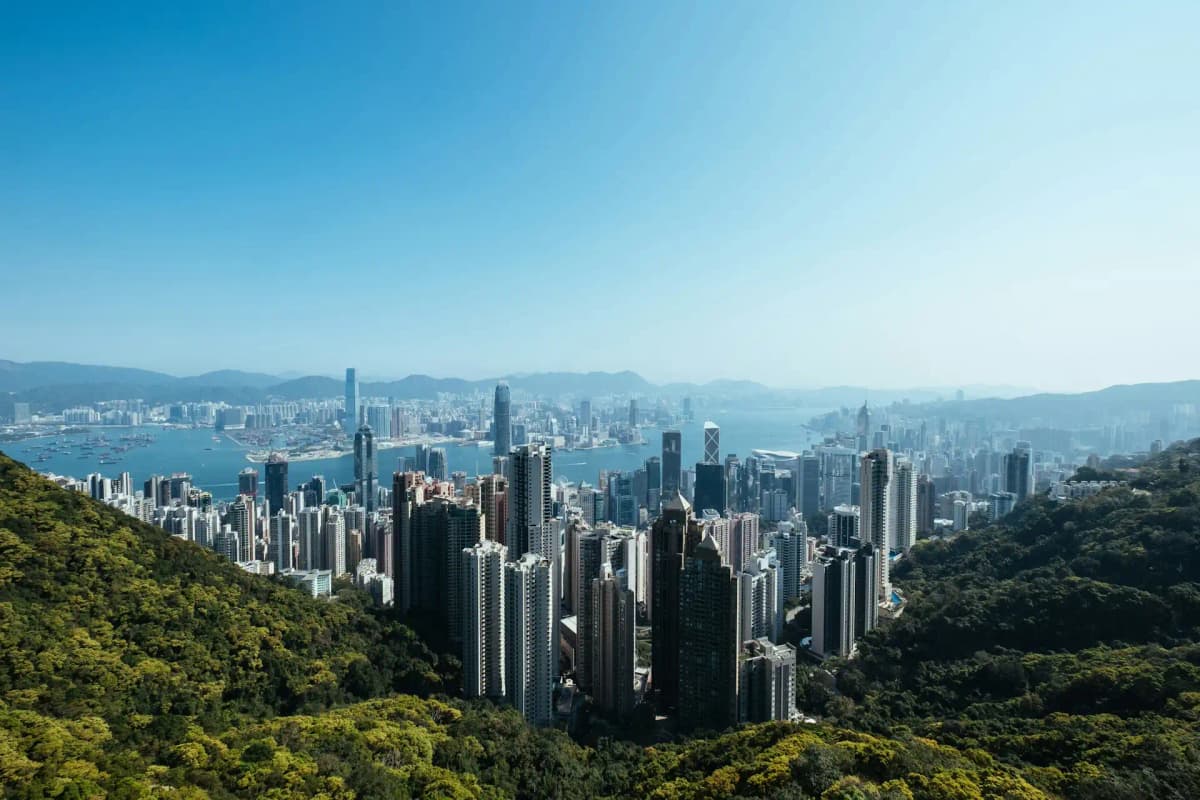
Hong Kong landscape

Hong Kong

Explore weather trends, climate data, and curated weather guides for Hong Kong

Hong Kong Climate Intelligence

Hong Kong, perched on the southeastern coast of China, boasts a vibrant, subtropical climate. Expect hot, humid summers punctuated by the occasional typhoon, followed by pleasantly mild and dry winters. Spring brings increasing humidity and fog, while autumn offers the most comfortable weather of the year. Ready to plan your perfect trip or strategize your business operations around Hong Kong's dynamic weather? Dive into detailed weather insights and seasonal trends on WeatherBox!

Average Temperature & Seasonal Trends in Hong Kong

How do temperatures shift month-by-month?

Temperature Map

How to Use This Map

  • Watch Seasons Change

    Click the Play button to start an animated timelapse of annual temperature shifts.

  • Explore Month-by-Month

    Drag the slider controls to pause on specific months and visualize detailed conditions.

Key Summary
  • Severe subtropical humidity defines the long summer, with temperatures typically hovering between 28°C and 33°C (82°F–91°F) and stifling nights
  • A brief but distinct winter brings much drier and cooler air, though coastal areas rarely drop below 10°C (50°F) for long
  • Geography softens the heat in elevated pockets like Victoria Peak, where readings can be several degrees lower than in the urban core

Hong Kong’s air temperature story is shaped by a classic subtropical monsoon rhythm, swinging from a muggy, rain-laden warm season to a fresher, more comfortable cool season. We track these shifts closely in the data behind the WeatherBox temperature map, which reveals just how consistent the summer heat can be. From late May through September, the thermometer routinely climbs into the low 30s Celsius (upper 80s to low 90s Fahrenheit) while overnight lows often stay sticky and oppressive, around 26°C (79°F). The intense humidity amplifies the sensation of heat, making even a short walk feel draining. Once October arrives, humidity backs off and daytime highs settle into a much more forgiving 24°C–28°C (75°F–82°F) sweet spot, ushering in the celebrated autumn clarity season. By December, a genuine seasonal shift takes hold, and air temperatures typically range between 14°C and 20°C (57°F–68°F) with markedly lower humidity, though an occasional surge of cool northerlies can nudge nighttime lows toward single digits in the New Territories.

While Hong Kong is compact, local geography creates subtle but meaningful temperature variations you can feel. The relentless urban density of Kowloon and Central traps heat fiercely, so the city’s celebrated harbourfront promenades often provide a gentle sea breeze rather than true chill. For genuine relief, residents and visitors head uphill. As our WeatherBox temperature map hints, the shaded slopes of Victoria Peak and the green heights of Lantau Island’s Ngong Ping plateau commonly run 2°C–5°C cooler than the concrete canyons below, offering a natural escape from the simmering lowland heat. Southern coastal spots like Stanley and Repulse Bay benefit from unobstructed maritime ventilation, which tames the stifling humidity just enough to make al fresco dining pleasant even in June. The interplay of terrain and season also dictates sky conditions: summer’s southwesterly monsoon can wrap the higher trails, such as the gentle Dragon’s Back, in low cloud and drizzle-slicked greenery, while autumn delivers the bone-dry north-easterly monsoon, gifting beautifully crisp mornings for panoramic skyline photography from the Tsim Sha Tsui waterfront.

When we consider travel comfort, the temperature calendar separates the year into distinct windows. Late October through early December represents the most broadly favourable season, with low humidity, abundant sunshine, and air temperatures in that 20°C–26°C (68°F–79°F) range, which feel effortless for exploring street markets, riding the Star Ferry, or enjoying mist-free views from Sky Terrace 428. Spring, from March to mid-April, offers similarly mild warmth but carries a higher risk of humid spells and fog that can shroud the harbour. The suboptimal period for outdoor-heavy itineraries spans June to September, when the combination of sweltering subtropical heat, sudden cloudbursts, and a higher likelihood of typhoons can disrupt your sightseeing plans. Yet this is a city built for all weather, and its network of air-conditioned malls, covered walkways, and indoor attractions means you can always retreat from the oppressive humidity. Packing shifts dramatically by season: summer demands ultralight breathable fabrics, sturdy waterproof sandals, high-factor sun protection, and a compact umbrella. For winter, a light sweater and a waterproof shell normally suffice, though a slightly heavier layer is useful during the occasional cold snap. For a clearer picture of how these patterns shift across the districts, we invite you to explore the full monthly temperature breakdowns on the WeatherBox temperature map and plan a trip that matches your comfort zone.

Regional Humidity & Dew Point Patterns in Hong Kong

How does humidity vary across the country?

Humidity Map

Key Summary
  • Hong Kong’s subtropical climate creates a sharp seasonal divide, with oppressive humidity dominating long summers and much drier air settling in from late autumn.
  • Mountainous terrain and dense urban districts can trap moisture, making some areas feel stickier than breezy outlying islands, as indicated by the WeatherBox humidity map.
  • The most comfortable window for sightseeing falls between October and early December, when humidity levels are low enough to keep outdoor pursuits pleasant.

Hong Kong sits on the southern coast of China, where the warm waters of the South China Sea drive a humidity cycle that dictates daily life. Winter brings the northeast monsoon, ushering in months of relatively dry and comfortable air from the continent. By spring, the wind swings around to the south, dragging in tropical moisture that clings to the territory for half the year. From March onward, relative humidity routinely settles between 80% and 90%, turning the air noticeably muggy. By May, conditions escalate into a deeply oppressive combination of heat and saturation that barely relents until late September. The weather charts we maintain at WeatherBox show this stubborn plateau clearly—summers are not simply humid; they deliver weeks of almost saturated air, punctuated by sudden, torrential downpours. Even nighttime offers little relief, with humidity remaining very muggy after sunset. Autumn then arrives as a welcome reset, slicing humidity back to comfortable levels that hold through much of winter.

Geography sharpens these patterns in ways you will notice on the ground. The territory’s steep, green peaks—from Victoria Peak to Tai Mo Shan—snag moisture-laden clouds rolling in from the sea, wringing out persistent drizzle and mist that keeps hiking trails and temple steps slick for days. Mountain gaps can funnel sticky air into urban basins, and the famous urban heat island effect adds another layer of discomfort in districts like Mong Kok or Causeway Bay, where concrete traps both heat and humidity. As the WeatherBox humidity comfort index map highlights, you may catch a modest breath of fresher air along exposed coastlines—strolling the waterfront promenade at Stanley or catching the sea breeze on a ferry to Cheung Chau can feel marginally less muggy than walking through a canyon of high-rises in Central. In spring, the wall of humidity famously blankets Victoria Harbour, softening the skyline into a haze. For a view from the Peak without being swallowed by cloud, drier autumn and winter mornings are far more reliable.

If your ideal trip involves wandering Temple Street Night Market, riding the Star Ferry under blue skies, or photographing the Tian Tan Buddha without sweat fogging the lens, the sweet spot runs from October to early December. This is when humidity finally retreats to comfortable levels and the air feels crisp enough for long days out. Spring’s muggy, drizzle-soaked hillsides provide serene conditions sipping tea in a quiet teahouse—but sightseeing can become a sticky, damp affair. Summer’s very muggy to oppressive humidity makes even a short walk through Kowloon’s markets draining; pack only if you plan frequent air-conditioned pit stops. For packing, lightweight, breathable fabrics, robust sun protection, and a dependable raincoat are essential for the wet season, while a light jacket covers the mild, drier winter months. Few places pack such a dramatic humidity story into a single year, and Hong Kong’s character is inseparable from the moisture-laden air that feeds its lush hills. Visit WeatherBox to explore our interactive humidity maps and local climate data when planning your arrival.

How to Use This Map

Humidity Comfort Levels
Dry
Comfortable
Uncomfortable
Muggy
Very Muggy
Oppressive
  • Watch Seasons Change

    Click the Play button to start an animated timelapse of annual humidity shifts.

  • Explore Month-by-Month

    Drag the slider controls to pause on specific months and visualize detailed conditions.

  • Find Your Comfort Zone

    Use these insights to identify the ideal time to visit Hong Kong based on your weather preferences.

Climate Zones of Hong Kong (Köppen-Geiger Map)

What are the climate zones of Hong Kong?

Climate Map

Climate Classification Legend

Tropical
Af
Am
Aw
As
Dry
BWh
BWk
BSh
BSk
Temperate
Csa
Csb
Csc
Cwa
Cwb
Cwc
Cfa
Cfb
Cfc
Continental
Dsa
Dsb
Dsc
Dsd
Dwa
Dwb
Dwc
Dwd
Dfa
Dfb
Dfc
Dfd
Polar
ET
EF
Key Summary
  • Hong Kong has a humid subtropical climate (Köppen Cwa), driven by the Asian monsoon and its coastal, hilly terrain.
  • A stark seasonal divide brings hot, drenched summers and a mild, notably dry season from late autumn to early spring.
  • Peak travel comfort arrives in the bright, lower-humidity autumn months, while summer combines high humidity, torrential rain, and tropical cyclone activity.

Hong Kong sits on the edge of the South China Sea, where latitude, the vast Asian landmass, and a fragmented coastline conspire to create a classic monsoon-driven climate. WeatherBox’s Köppen classification maps place the territory firmly in the Cwa zone, a humid subtropical regime with a pronounced winter dry season. From October to March, the northeast monsoon delivers relatively cool, stable air from the interior. By April, the southwest monsoon takes over, pumping deep tropical moisture onto the coast. The region’s steep, island-studded topography magnifies the wet season. Peaks such as Tai Mo Shan and Victoria Peak force saturated air aloft, wringing out concentrated bursts of rain and wrapping the hills in humid, misty veils. Temperatures in summer typically range from 26°C to 32°C (79°F to 90°F), but the tropical rainfall and stubbornly high humidity make it feel heavier. In the cooler months, readings usually settle between 14°C and 20°C (57°F and 68°F), occasionally dipping to around 10°C (50°F) when winter cold fronts sweep through.

Seasonal contrasts are sharp and shape daily life across the compact terrain. Spring, from March to May, starts mild but rapidly turns muggy. Sea fog and low cloud often blanket the harbour and the upper slopes of Victoria Peak, creating the soft, dripping atmosphere that clings to fern-lined paths. Summer, lasting from June into September, is the season of towering cumulus, afternoon cloudbursts, and the tropical cyclones that can disrupt ferries and flights between June and October. While rainfall can be blindingly intense, breaks of dazzling sun quickly return, fuelling the lush greenery that frames popular spots like the winding, forested ridge of the Dragon’s Back. By October, the monsoon pivots, ushering in the year’s most sought-after weather: brilliantly clear skies, steadily falling humidity, and afternoon highs of around 27°C to 29°C (81°F to 84°F). This is the time for harbour cruises, open-air temple visits, and long strolls through the neon-lit street markets of Mong Kok. Winter remains dry and pleasant, though cool evenings and an occasional grey overcast remind you that the Cwa pattern naturally tilts toward a distinct, comfortable chill.

For travel planning, October to early December delivers the most forgiving conditions. The light, the lower humidity, and the reduced rainfall let you move easily between rooftop viewpoints, island ferries, and leafy suburban trails without heat stress. Spring can work well too, provided you accept the damp, hazy interludes that may shroud panoramas. Summer, though intensely sultry, attracts visitors who focus on air-conditioned dining, shopping, and indoor cultural sights. A raincoat or a sturdy umbrella is useful in any season but becomes essential during the wet months, alongside lightweight, breathable fabrics and strong sun protection. When cooler air settles in, packing a light jacket or a sweater will keep you comfortable during ferry rides and in aggressively chilled interiors. To match your trip with the exact rhythm of rainfall, humidity, and temperature patterns, you can explore WeatherBox’s detailed monthly climate charts and find the window that best fits your style.

Find places with your ideal climate

Use our Climate Finder to search and rank locations by their temperature and humidity patterns.

Open Climate Finder

Compare Weather
in Hong Kong

See how temperatures, sunshine, and rainfall differ between any two locations on Earth

Hong Kong flag
Hong KongHong Kong
Change
Hong Kong flag
Sha TinHong Kong
Change

Weather Guides

Explore comprehensive annual weather and climate insights for 3 locations in Hong Kong

Explore other locations in Asia