World > Europe > Hungary

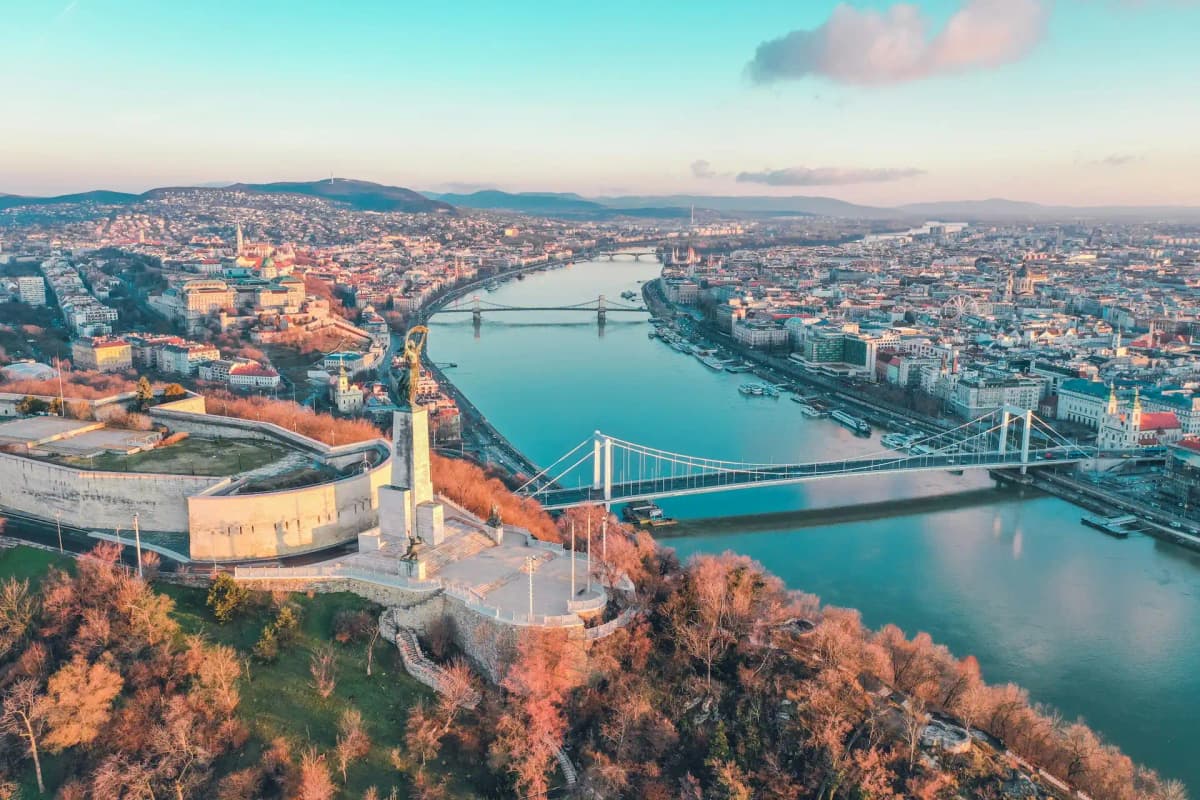
Hungary landscape

Hungary

Explore weather trends, climate data, and curated weather guides for Hungary

Hungary Climate Intelligence

Nestled in the heart of Central Europe, Hungary boasts a continental climate with four distinct seasons. Expect moderately cold, snowy winters followed by warm and sunny springs, leading into hot, dry summers and colorful, pleasant autumns. Planning a trip or making key business decisions? Get granular insights into Hungary's seasonal weather patterns and plan with precision on WeatherBox!

Average Temperature & Seasonal Trends in Hungary

How do temperatures shift month-by-month?

Temperature Map

How to Use This Map

  • Watch Seasons Change

    Click the Play button to start an animated timelapse of annual temperature shifts.

  • Explore Month-by-Month

    Drag the slider controls to pause on specific months and visualize detailed conditions.

Key Summary
  • Hungary features a typical continental climate characterized by hot summers and cold winters, with significant thermal variations occurring between the northern highlands and the southern plains.
  • According to WeatherBox data, the highest average temperatures occur in July and August, while the lowest sub-zero temperatures are recorded during the peak winter months of January and February.

Hungary sits within a continental climate zone, where you experience four distinct seasons marked by significant thermal shifts throughout the year. Our data at WeatherBox shows that January typically brings the most intense cold, with temperatures frequently dipping into freezing lows that stay below 32 degrees Fahrenheit for extended periods. As the year progresses, a rapid seasonal transition occurs during the spring thaw in March and April, leading to a steady rise in daily averages. By May, the air reaches a pleasantly warm state, supporting the growth of lush landscapes and the beginning of the outdoor event season. This warming trend continues until the peak summer heat arrives, often characterized by abundant sunshine and a climb toward the year’s maximum readings in mid-July.

Regional differences across the Pannonian Basin create varied weather patterns that you can see on our average temperature map, which transitions from cool blue in the mountains to deep red in the lowlands. The Great Plain in the eastern and southern parts of the country acts as a natural heat trap, where afternoon heatwaves frequently push the mercury toward 95 degrees Fahrenheit. In the western region of Transdanubia, the proximity to the Alps and various bodies of water brings increased moisture and slightly temperate air masses, resulting in a more moderate environment during the height of the summer. The Northern Uplands consistently feature the lowest average temperatures in the country, providing a refreshing escape from the stubbornly high heat found in the southern cities. These geographic variations mean that the atmospheric conditions fluctuate depending on your specific destination within the country borders.

Planning for the seasonal weather ensures that your experience remains comfortable during outdoor excursions and sightseeing. During the coldest months, the winter chill settles over the landscape, and visitors find that heavy insulation is a standard requirement for exploring the dazzling Christmas markets. The arrival of sustained heat in the summer necessitates thermal regulation through breathable fabrics and sun protection, particularly when attending open-air festivals or visiting the famous thermal baths. Autumn brings a return to moderate conditions and crisp evenings, where a diurnal temperature range creates a significant difference between midday warmth and midnight coolness. WeatherBox charts indicate that these stable conditions in September provide a popular window for scenic hiking and cultural tours before the winter frost returns to the region.

Regional Humidity & Dew Point Patterns in Hungary

How does humidity vary across the country?

Humidity Map

Key Summary
  • Humidity in Hungary fluctuates between comfortable levels during the shoulder seasons and brief periods of muggy conditions during the peak of summer.
  • Eastern regions often experience drier air compared to the areas surrounding the larger lakes, where localized moisture can increase the humidity comfort index.

Hungary sits within a temperate continental zone where the air remains generally comfortable for most of the year. Our data at WeatherBox indicates that the country benefits from its inland position, which prevents the constant heavy moisture found in coastal nations. You will typically find the most pleasant air during the spring and autumn months when the dew point remains low. During these times, the humidity comfort index usually stays in the green zone, making it an ideal time for outdoor activities or exploring the historic urban centers. The landlocked nature of the Carpathian Basin means that air can sometimes stagnate, leading to shifts in how the temperature feels on your skin.

The summer months bring a noticeable change as the Great Plain experiences intense heat that occasionally combines with moisture to create uncomfortable or even muggy afternoons. We track these shifts closely, and you can see on our charts that July and August often push the humidity comfort index into the orange or red categories. In the western parts of the country, the proximity to the Alps brings slightly more frequent rainfall, which can temporarily spike the moisture levels before the air clears. If you are visiting the shores of Lake Balaton, the relative humidity often feels higher during the evening hours. Conversely, winter brings very high relative humidity percentages, often exceeding eighty percent, but because the air is cold, it does not feel heavy or damp in the same way a tropical environment would.

Planning a visit or an outdoor event requires looking at these seasonal trends to ensure a successful experience. For those sensitive to moist air, the early summer provides a vibrant atmosphere without the oppressive weight of late August. Travelers often choose breathable fabrics and prioritize hydration to manage the periods when the index reaches the very muggy stage. A light rain jacket is a common addition to a suitcase for the sudden afternoon thunderstorms that occur in the hills, as these storms often provide a refreshing break from the heat. By checking the daily updates on WeatherBox, you can stay ahead of the weather patterns and ensure your time in the sun remains enjoyable and stress-free.

How to Use This Map

Humidity Comfort Levels
Dry
Comfortable
Uncomfortable
Muggy
Very Muggy
Oppressive
  • Watch Seasons Change

    Click the Play button to start an animated timelapse of annual humidity shifts.

  • Explore Month-by-Month

    Drag the slider controls to pause on specific months and visualize detailed conditions.

  • Find Your Comfort Zone

    Use these insights to identify the ideal time to visit Hungary based on your weather preferences.

Climate Zones of Hungary (Köppen-Geiger Map)

What are the climate zones of Hungary?

Climate Map

Climate Classification Legend

Tropical
Af
Am
Aw
As
Dry
BWh
BWk
BSh
BSk
Temperate
Csa
Csb
Csc
Cwa
Cwb
Cwc
Cfa
Cfb
Cfc
Continental
Dsa
Dsb
Dsc
Dsd
Dwa
Dwb
Dwc
Dwd
Dfa
Dfb
Dfc
Dfd
Polar
ET
EF
Key Summary
  • Hungary’s climate is predominantly continental, with warm to hot summers and cold, often grey winters, though the west sees a milder oceanic influence.
  • Much of the country falls within the humid continental (Dfb) classification, while a sliver of the southwest enjoys a temperate oceanic (Cfb) regime.
  • The vast Great Hungarian Plain is the driest and most exposed to winter chill, while the Transdanubian hills and northern mountains intercept more rainfall and summer thunderstorms.

Hungary sits deep inside the Carpathian Basin, ringed by the Alps and the Carpathian Mountains. This enclosed geography blocks most maritime air, giving the country a distinctly continental climate. Across roughly nine-tenths of Hungary, including the open Great Plain and the capital Budapest, the dominant Köppen category is humid continental (Dfb). Here summers are warm to hot and winters cold, with precipitation spread through the year but a slight late-spring peak. In the far southwest, around the Mecsek Hills and the Croatian border, conditions ease into a narrow temperate oceanic (Cfb) zone. The difference is subtle but tangible: winters are a little shorter and less severe, and rainfall arrives more evenly, helping vineyards and forests stay noticeably lush. Only the highest summits, such as the 1,014-metre Kékes in the Mátra Mountains, edge into a subarctic (Dfc) microclimate, where winter snow lingers longer and summer nights stay cool.

Regional contrasts are shaped directly by relief. The Great Plain, home to Debrecen and the iconic puszta grasslands, endures Hungary’s most extreme temperatures. Afternoon highs in July regularly reach the low to mid-30s Celsius (upper 80s to mid-90s Fahrenheit), and winter cold can be stubbornly crisp, with persistent fog pooling in the lowlands. West of the Danube, the rolling Transdanubian hills and Lake Balaton catch more moisture, keeping the landscape greener and summer heat a touch more bearable, which makes the lake’s vineyard-backed shores a treasured summer escape. The northern uplands and the Danube Bend receive the country’s heaviest rain and winter snowfall. May and June are typically the wettest months nationwide, with frequent thunderstorm outbreaks, while winter precipitation is lighter but often falls as snow, especially in the hills. Budapest itself sits at a climatic crossroads: its summers can feel humid, but dazzlingly sunny spells are common, and the city’s thermal baths become a steamy refuge when the mercury climbs.

For travel, late spring and early autumn are the most comfortable windows. April, May, September and early October deliver mild, pleasant days and smaller crowds, ideal for strolling Budapest’s Castle District or touring the sun-drenched vineyards of Tokaj and Villány. July and August bring the liveliest atmosphere around Lake Balaton, but high humidity and heatwaves can be draining; packing light, breathable fabrics, a wide-brimmed hat and plenty of sunscreen makes summer sightseeing far more enjoyable. Winter turns the capital’s Christmas markets into a snow-dusted fairy tale, yet grey skies and sub-zero nights call for a heavy coat, gloves and waterproof footwear. Year-round, a raincoat or a sturdy umbrella is a wise companion, as showers can appear in any season. Whether you aim for the gentle lake breezes of a Transdanubian June or the quiet frost of a Danube Bend morning, WeatherBox’s charts and monthly averages help you time your visit. Explore our interactive tools to find your ideal travel window and pack with confidence for Hungary’s varied continental rhythms.

Find places with your ideal climate

Use our Climate Finder to search and rank locations by their temperature and humidity patterns.

Open Climate Finder

Compare Weather
in Hungary

See how temperatures, sunshine, and rainfall differ between any two locations on Earth

Hungary flag
BudapestHungary
Change
Hungary flag
DebrecenHungary
Change

Weather Guides

Explore comprehensive annual weather and climate insights for 46 locations in Hungary

Explore other locations in Europe