World > Europe > Italy

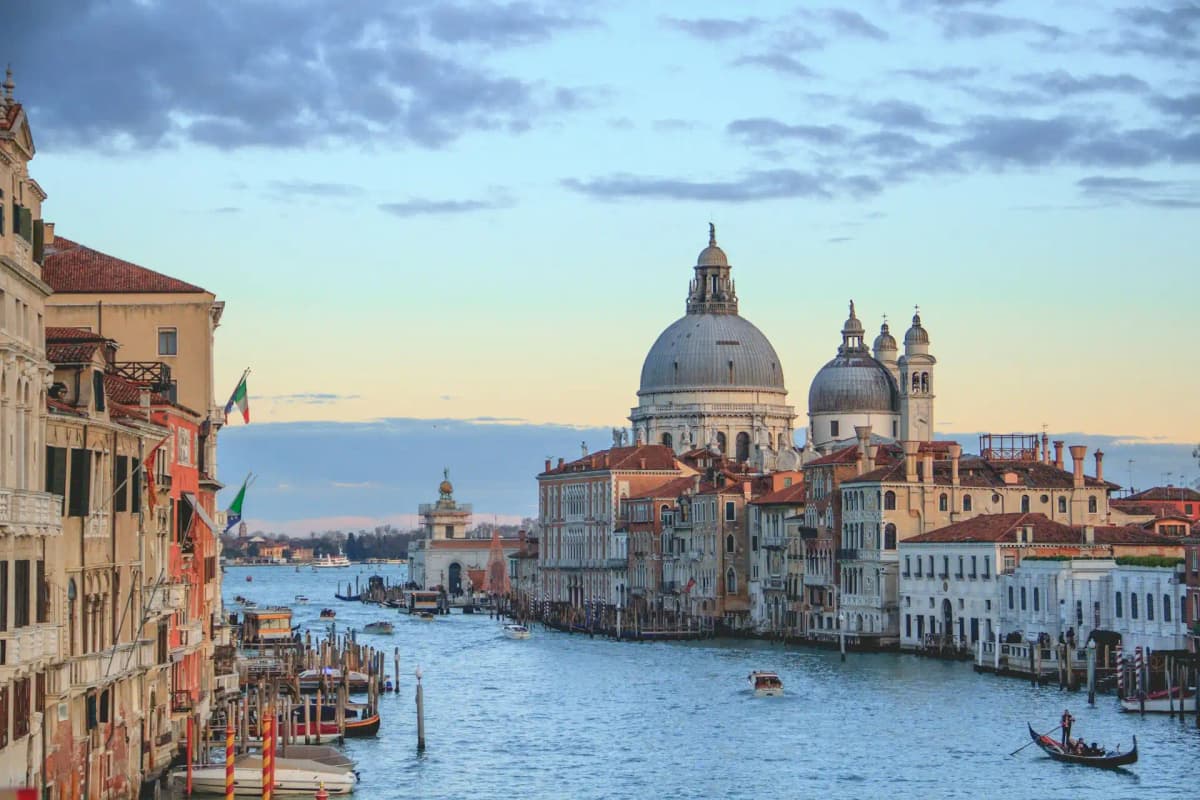
Italy landscape

Italy

Explore weather trends, climate data, and curated weather guides for Italy

Italy Climate Intelligence

Straddling Southern Europe, Italy enjoys a predominantly Mediterranean climate characterized by hot, dry summers and mild, wet winters, particularly along the coasts. The country transitions through crisp autumns and vibrant springs, each bringing its unique charm. Curious about planning your Italian escape or need accurate business weather insights? Explore detailed regional weather patterns and seasonal insights on WeatherBox!

Average Temperature & Seasonal Trends in Italy

How do temperatures shift month-by-month?

Temperature Map

How to Use This Map

  • Watch Seasons Change

    Click the Play button to start an animated timelapse of annual temperature shifts.

  • Explore Month-by-Month

    Drag the slider controls to pause on specific months and visualize detailed conditions.

Key Summary
  • Italy’s long peninsula yields a classic Mediterranean climate with hot, dry summers and mild, wet winters, but the Alps and Apennines create sharp regional temperature contrasts.
  • Coastal zones enjoy sea-breeze moderation, while interior lowlands can swelter in summer and chill in winter, particularly in the fog-prone Po Valley.
  • Southern areas and the islands warm early in spring and stay balmy well into autumn, offering a longer warm-weather window than the alpine-influenced north.

Italy’s air temperatures follow a rhythm shaped by latitude and the surrounding seas. Running from the Alpine crest down into the heart of the Mediterranean, the country spans several climate zones. In summer, daytime highs across much of the mainland and islands typically sit between 28°C and 35°C (82°F to 95°F), with the hottest readings occurring in inland southern regions and Sardinia. Coastal strips are tempered by afternoon breezes, though humidity can make the warmth feel heavier. Winter pushes temperatures down unevenly: on the southern coasts and in Sicily, January highs often remain between 10°C and 15°C (50°F to 59°F), while the north Italian plain regularly dips close to freezing overnight, with persistent fog adding a raw chill. At altitude, of course, the numbers drop further. As you scan the WeatherBox temperature map, you will notice how the orange and red bands of summer are punctured by cooler blues over the Alps and the Apennine spine, a reminder that elevation is as important as latitude here.

Geography carves Italy into distinct thermal zones, and knowing these helps when planning a visit. The northern lakes, such as Como and Garda, sit in basins that trap warmth and humidity; their microclimates can feel surprisingly sultry in July and August, yet winter brings a brisk, damp cold. Move south into Tuscany and Lazio, and you enter classic rolling hill country where spring and autumn days hover pleasantly around 20°C to 25°C (68°F to 77°F), ideal for wandering the stone-paved streets of hill towns or the ruins of Rome. The scorching midday heat that builds in the capital during July and August, however, often reaches beyond 32°C (90°F), encouraging a slower pace and a lot of gelato. The Amalfi Coast and the deep south enjoy a genuine warm-sea autumn, with pleasant swimming weather often holding into October. Cross the Strait to Sicily and you will find even warmer early-season conditions, with the scirocco wind bringing occasional blasts of desert air that can push coastal temperatures into the upper 30s Celsius (around 100°F) for a few days. Referring to the WeatherBox temperature map, the tight ribbon of yellow marking the coastal fringe against the interior’s deeper orange shows why so many historic towns cluster near the water.

For travel planning, this thermal patchwork means there is almost always a corner of the country in its sweet spot. Spring (April through mid-June) and early-to-mid autumn (September and October) offer the most widespread comfortable conditions, with lower humidity and fewer extremes, making them favoured windows for city sightseeing and countryside drives. In high summer, the coasts and mountains truly shine, but urban sightseeing in a place like Florence or Rome calls for light, breathable fabrics, generous sun protection, and a strategy to avoid the midday hours. Come winter, the same cities are quieter and cooler, and a raincoat or compact umbrella becomes as important as a warm layer. If you are bound for the Alps or the Dolomites in ski season, pack properly insulated outerwear and be ready for sub-zero Celsius (sub-32°F) mornings. Italy’s climate rewards flexibility: the country’s size and topography mean you can often swap a foggy northern morning for the crisp, bright sunshine of a Sicilian terrace. We invite you to explore the detailed monthly charts and data on WeatherBox to find the temperature rhythm that best suits your Italian journey.

Regional Humidity & Dew Point Patterns in Italy

How does humidity vary across the country?

Humidity Map

Key Summary
  • Italy’s long coastline and the Apennine mountain spine divide the country into distinct humidity zones, from the sultry Po Valley to breezier highland interiors.
  • Summer brings muggy to very muggy conditions to major cities and coastal lowlands, while elevated areas remain noticeably more comfortable.
  • Winter humidity remains high across much of the peninsula, but the absence of heat makes the dampness feel less oppressive, especially in the south.

Italy sits at the crossroads of maritime and continental air masses, giving its humidity patterns a strong seasonal rhythm. For much of the year, the Mediterranean Sea wraps the peninsula in a blanket of moisture, keeping relative humidity levels high even when skies are clear. In summer, this translates into long stretches of uncomfortable to muggy weather along the coasts and across the sprawling Po Valley, where humid air frequently becomes trapped between the Alps and the Apennines. As the WeatherBox humidity map illustrates, the low-lying northern plain is often the country’s stickiest region, with sultry afternoons and warm nights that offer little relief. By contrast, the hill towns of Tuscany and Umbria and the Apennine ridges experience noticeably drier, breezier conditions, shifting the comfort index toward the comfortable range even in July and August. Our charts reveal that while the entire peninsula sees a humidity peak in the warmest months, the difference between a seaside piazza in Venice and a stone-walled village in the Chianti hills can be striking.

Regional geography shapes the humidity story in very practical ways. Northern Italy’s lakes, such as Como and Garda, combine shimmering water with mountain air, creating microclimates where humidity often hovers in the muggy category but is tempered by regular afternoon breezes. In Rome and the central lowlands, midsummer afternoons routinely feel very muggy, and the combination of heat and moisture can make sightseeing among the ancient ruins an exercise in slow pacing. Travel south to Naples, Sicily, or Sardinia and the sea dominates even more. Here, relative humidity stays high, yet persistent coastal winds and the region’s famously long, sun-soaked days often keep the air feeling a notch more bearable than in the enclosed Po basin. The WeatherBox humidity map highlights these coastal-versus-inland contrasts well, showing pockets of oppressive humidity in tight urban centers while nearby promontories sit in the comfortable zone. In the cooler months, the picture flips slightly: northern plains can linger under fog and damp, while the south enjoys mild, comfortable humidity ideal for exploring sites like the Valley of the Temples under crisp, clear skies.

If you are weighing the best time to travel, the humidity data points firmly to spring and early autumn as the sweet spots. From April to June and September to October, most of Italy sits in the comfortable humidity range, making long walks through cities, vineyard visits, and terrace dining genuinely pleasant without the sapping stickiness of high summer. July and August bring that reliably muggy to very muggy air to the classic tourist hubs, so if your trip falls in these months, light breathable fabrics, a wide-brimmed hat, and a water bottle become essential companions. Even in summer, the hill towns and higher Apennine valleys offer a more comfortable escape, while winter travelers will want a waterproof layer for northern Italy’s damp, chilly days and little more than a light jacket for the balmier south. The WeatherBox humidity map can guide your timing and destination choices, helping you match your comfort preferences to Italy’s varied moisture landscape. For complete month-by-month humidity data, interactive comfort index charts, and deeper planning insights, explore WeatherBox.

How to Use This Map

Humidity Comfort Levels
Dry
Comfortable
Uncomfortable
Muggy
Very Muggy
Oppressive
  • Watch Seasons Change

    Click the Play button to start an animated timelapse of annual humidity shifts.

  • Explore Month-by-Month

    Drag the slider controls to pause on specific months and visualize detailed conditions.

  • Find Your Comfort Zone

    Use these insights to identify the ideal time to visit Italy based on your weather preferences.

Climate Zones of Italy (Köppen-Geiger Map)

What are the climate zones of Italy?

Climate Map

Climate Classification Legend

Tropical
Af
Am
Aw
As
Dry
BWh
BWk
BSh
BSk
Temperate
Csa
Csb
Csc
Cwa
Cwb
Cwc
Cfa
Cfb
Cfc
Continental
Dsa
Dsb
Dsc
Dsd
Dwa
Dwb
Dwc
Dwd
Dfa
Dfb
Dfc
Dfd
Polar
ET
EF
Key Summary
  • Italy’s climate ranges from Mediterranean (Csa/Csb) along the coasts to humid subtropical (Cfa) in the north and alpine (ET, Dfc) at high elevations, shaped by the Alps and surrounding seas.
  • The Po Valley endures sultry, stormy summers and damp, foggy winters, while the deep south enjoys a classic dry-summer Mediterranean pattern with mild, wet off-seasons.
  • Late spring and early autumn are broadly the most comfortable windows to explore, balancing pleasant temperatures with fewer crowds.

Italy’s climate is a mosaic stitched together by geography. The Alps form a towering barrier to the north, while the Apennines run like a spine down the peninsula, and the Mediterranean, Adriatic, and Ionian seas wrap the coastline. This interplay of mountains, hills, and water creates distinct Köppen zones. Much of the coast and interior lowlands south of the Po Valley fall under the hot-summer Mediterranean (Csa) climate, with parched, dazzling summers and gentle, rain-fed winters. At slightly higher inland elevations, you find the warm-summer Mediterranean (Csb) variant. The sprawling Po Plain and the northern Adriatic coast, by contrast, sit in a humid subtropical (Cfa) zone, lacking a true dry season and enduring high humidity through summer. High in the Dolomites and the inner Alps, the climate shifts to cold continental (Dfc) and even alpine tundra (ET), where snow cover is stubbornly persistent. Our charts on WeatherBox map these zones precisely, helping you see how the climate switches in just a few hours’ drive.

Regional contrasts are sharp and often surprising. The glittering Amalfi Coast and the sun-drenched ruins of Rome bask in Mediterranean warmth from May to October; summers routinely top 30°C (86°F) and can feel oppressive in stone-filled city centers. Tuscany’s honey-hued hill towns are at their best in May and September, when the heat backs off and the landscape stays green. Head north to the Po Valley, though, and the story changes. Milan, Venice, and Bologna stew under a blanket of heavy humidity in July and August, punctuated by violent thunderstorms. Winters here bring a clammy chill, persistent fog, and occasional snow that rarely lingers. In Sicily and Puglia, the dry season is fierce and long, yet the sea remains inviting well into October. Up in the craggy Dolomites, summer days are cool and crisp, ideal for admiring the snow-capped peaks, while winter plunges temperatures well below freezing, drawing frequent snowfall for the slopes. Spring and autumn rains can be steady across the Cfa north, so a drizzle-soaked afternoon in a misty hill town of Umbria is not uncommon.

For travel, Italy’s climate means strong seasonality dictates both comfort and crowd levels. July and August bring intense heat to historical cities and long queues at major sights; coastal swimming and island-hopping are glorious, but you will face stubbornly high temperatures and peak visitor numbers. April to June and late September to October offer the most agreeable conditions for wandering the countryside and piazzas, with warm days, cooler nights, and lighter rainfall in the south. Winter is a tale of two Italys: the Alps and Dolomites transform into a snowy playground, while many coastal villages and hill towns can feel shuttered and damp, especially where the humid subtropical air lingers. Packing should follow your itinerary. Light, breathable fabrics, sturdy walking shoes, a wide-brimmed hat, and sun protection are essential for summer. A waterproof jacket and layers will reward you in the Po Valley during fall and winter, and an umbrella is shrewd in any season outside the deep south. Italy’s climate riches mean you can almost always find a corner where the weather sings. Explore our interactive maps and detailed climate data on WeatherBox to match your travel dates with the region that suits you best.
Find places with your ideal climate

Use our Climate Finder to search and rank locations by their temperature and humidity patterns.

Open Climate Finder

Compare Weather
in Italy

See how temperatures, sunshine, and rainfall differ between any two locations on Earth

Italy flag
RomeItaly
Change
Italy flag
MilanItaly
Change

Weather Guides

Explore comprehensive annual weather and climate insights for 123 locations in Italy

Explore other locations in Europe