Key Summary- Kazakhstan’s deep continental location and vast flat terrain produce one of the world’s most extreme seasonal temperature swings, with fiercely cold winters and baking summers.
- The north is a humid continental zone (Dfa/Dfb) while the centre and south are dominated by cold semi‑arid steppe (BSk) and cold desert (BWk) climates, where precipitation is scarce.
- The southeastern mountains around Almaty receive greater moisture and cooler temperatures (Dfb/Dfc), creating a green retreat from the dry lowlands.
Stretching from the southern edge of Siberia to the deserts of Central Asia, Kazakhstan sits in the heart of Eurasia, far from any ocean. This isolation fuels a raw continental climate in which the annual temperature range can exceed 80°C (144°F). Our Köppen classification map reveals a striking climatic divide. The northern grain belt, including cities such as Petropavl and Astana, falls under humid continental (Dfa/Dfb) zones with long, snow‑clad winters and warm, occasionally thundery summers. Immediately south, the steppe transitions rapidly into vast cold semi‑arid (BSk) and cold desert (BWk) landscapes. Betpak‑Dala, the Kyzylkum fringe and the Mangystau region bake under dry, relentlessly sunny skies for much of the year, receiving only light, scattered rain. In the far southeast, the Tian Shan ranges force air to rise, wringing out enough moisture to sustain a greener, higher‑altitude pocket of humid continental (Dfb) and subarctic (Dfc) climates, a sharp contrast to the parched plains below.
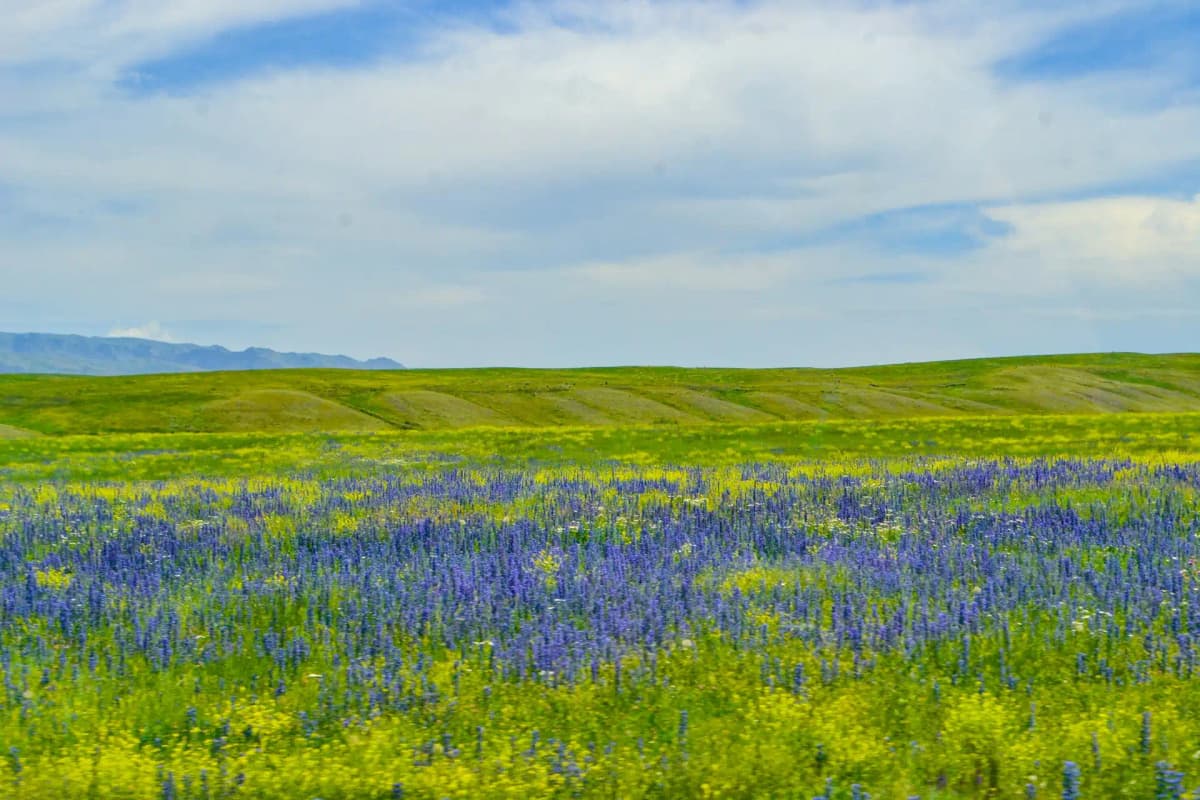
This geographic mosaic delivers distinct seasonal personalities. Winter (November to March) is a long, deep freeze across the north and centre, with temperatures routinely staying well below -20°C (-4°F) and heavy snow insulating the steppe. The southern deserts are less severe but still experience regular frost and occasional snowfall. Spring arrives suddenly in April, turning the steppe into a brief but dazzling carpet of wildflowers, while summer (June to August) brings searing heat. Daytime highs in the southern deserts frequently climb above 38°C (100°F), yet nights cool noticeably, a hallmark of the dry air. Almaty and the Zailiysky Alatau foothills enjoy a more forgiving summer, with pleasantly warm days and cool mountain breezes, making this area the country’s lush summer playground. On the Caspian shore, Aktau sees milder winters and hot, parched summers, a maritime‑tinted BSk variant still shaped by aridity.
For travellers, the most favourable windows are the shoulder months. Late April to early June delivers gentle warmth and the green flush of the steppe, ideal for visiting the Silk Road treasures of Turkistan or the sculpted moonscapes of Charyn Canyon. September and October bring crisp sunshine and rich autumn colours in the southeastern mountains before winter’s bite returns. The summer peak suits Almaty’s alpine lake hikes and the singing dunes of Altyn‑Emel, though the desert interior can feel oppressive. Winter demands serious cold‑weather gear, but the snow‑dusted landscape and low‑season quiet hold their own stark appeal. Packing must flex with the itinerary: layered clothing, sun protection and a windproof shell for the steppe, plus insulated boots and a heavy coat for any cold‑season visit. Use our Köppen climate map and monthly charts at WeatherBox to pinpoint the weather rhythms that match your travel style.