World > Europe > Netherlands

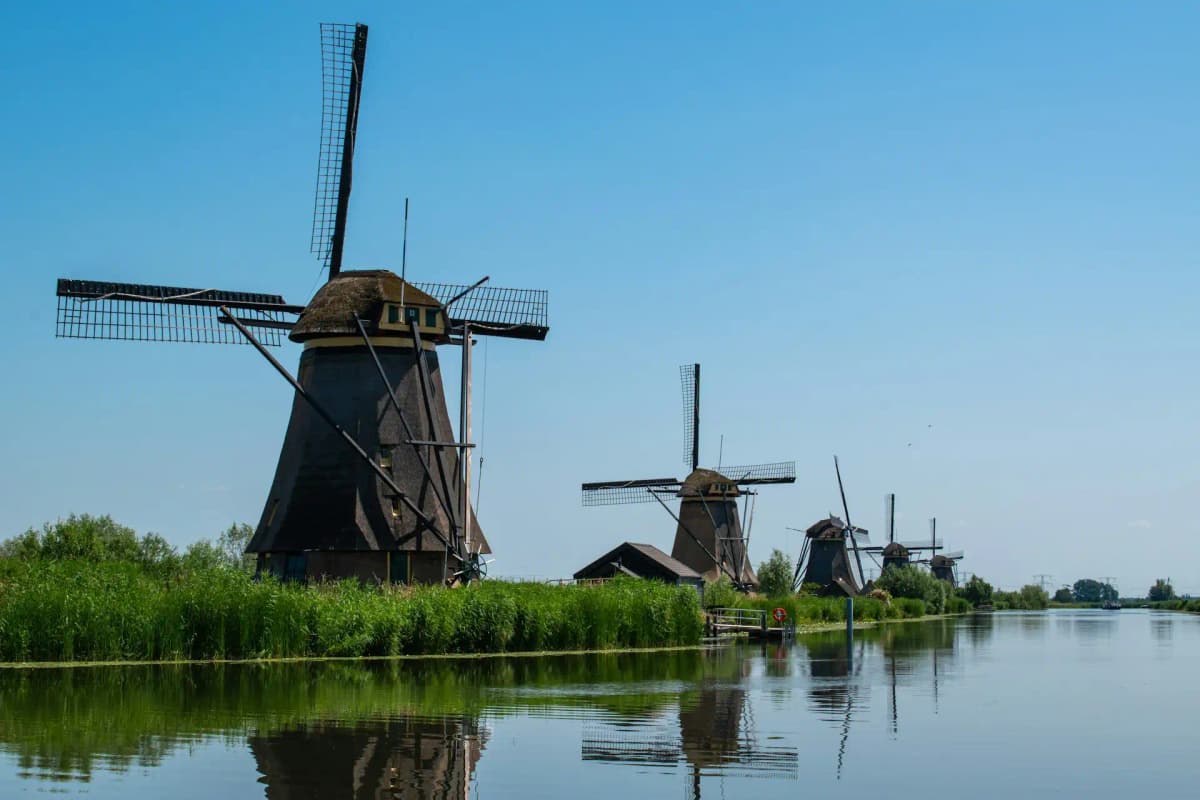
Netherlands landscape

Netherlands

Explore weather trends, climate data, and curated weather guides for Netherlands

Netherlands Climate Intelligence

Located in Western Europe, the Netherlands enjoys a temperate maritime climate, characterized by mild winters, cool summers, and year-round rainfall. Expect pleasant temperatures in the summer, ideal for exploring the vibrant cities and beautiful landscapes. While winter brings cooler temperatures, they rarely dip below freezing. For detailed weather insights perfect for planning your trip or informing your business decisions, explore WeatherBox!

Average Temperature & Seasonal Trends in Netherlands

How do temperatures shift month-by-month?

Temperature Map

How to Use This Map

  • Watch Seasons Change

    Click the Play button to start an animated timelapse of annual temperature shifts.

  • Explore Month-by-Month

    Drag the slider controls to pause on specific months and visualize detailed conditions.

Key Summary
  • The Netherlands experiences a temperate maritime climate, with mild summers, cool winters, and a narrow annual temperature range
  • Regional variations are subtle but noticeable, with coastal areas moderated by the North Sea and inland locations feeling slightly warmer in summer and cooler in winter
  • Frequent cloud cover, damp conditions, and year-round rainfall are common, creating a landscape that stays green but can catch travellers off guard

The Netherlands sits squarely in a zone where air temperatures rarely hit extremes. Across the year, readings on the WeatherBox temperature map show a gentle oscillation rather than a dramatic shift. Winter afternoons typically hover between 2°C and 6°C (36°F – 43°F), while overnight frosts can dip a few degrees below freezing, more often in eastern areas. Summer brings days averaging 17°C to 20°C (63°F – 68°F), though occasional heatwaves can push inland thermometers above 30°C (86°F) for short spells. Spring and autumn float in the 8°C to 15°C (46°F – 59°F) range, delivering the kind of crisp air that freshens country walks but demands a warm layer. This narrow band of temperatures, shaped by the surrounding sea and flat terrain, means the country rarely knows the bite of a deep freeze or the weight of prolonged blazing heat.

Geography writes subtle temperature stories across the Netherlands, and you can trace them on the WeatherBox temperature map. The North Sea acts as a thermal buffer, so coastal stretches from Zeeland to the Wadden Islands enjoy slightly cooler summers and milder winters compared with the interior. In cities like The Hague or while strolling the breezy promenade at Scheveningen, a summer day feels refreshing rather than sweltering. Move inland toward the Veluwe heathlands or the Limburg hills, and the maritime blanket thins. Here, summer afternoons more frequently climb into the mid‑20s Celsius (upper 70s Fahrenheit), and winter brings a higher chance of frost‑tipped mornings ideal for cycling past bare orchards. The mildest pocket sits in the southwest near the Zeelandic waterways, where spring warmth coaxes open the famous daffodil and tulip fields earlier than in the northern provinces. No matter the region, the air maintains a generous humidity, and a drizzle‑soaked canal cruise in Amsterdam can surprise you even on a July day. This dampness punctuates every season and keeps the polder landscape luminous, but it rewards travellers who pack with layered, water‑repellent clothing in mind.

Understanding these patterns makes timing your visit straightforward. Late April through early June serves up the most comfortable blend of lengthening daylight, temperatures often in the 13°C to 18°C (55°F – 64°F) corridor, and the spectacle of Keukenhof’s tulip displays at their peak. This is the window where you can comfortably pedal through the open‑air museums of the Dutch countryside without heavy perspiration or numbing wind. July and August offer the warmest conditions, but also the busiest canals, higher accommodation prices, and the occasional muggy spell that can make exploring cities feel sluggish. Early autumn returns a similar calm, especially September with its crisp, golden‑hour light slanting over Leiden’s cobblestone lanes. Winter is the least predictable invitation: short, damp days where temperatures usually sit just above freezing, yet the rare ice‑skating season on the frozen canals turns the country into a postcard scene. As a rule, pack light breathable fabrics for the warmer months but always include a packable waterproof jacket and a scarf, even in high summer. For the ideas behind this guide, our charts and averages at WeatherBox offer detail that goes far beyond a single snapshot. Visit the site to explore interactive temperature maps and month‑by‑month data before booking your next Dutch journey.

Regional Humidity & Dew Point Patterns in Netherlands

How does humidity vary across the country?

Humidity Map

Key Summary
  • Consistent high humidity pervades the Netherlands year-round due to its low-lying, water-rich landscape, but temperatures dictate whether that moisture feels merely damp or truly muggy.
  • Coastal provinces benefit from persistent North Sea breezes that keep the air feeling fresher, while inland areas experience more stagnant, oppressive conditions during summer heat spells.
  • The WeatherBox humidity map reveals the regional comfort divide, helping you target the most pleasant seasons and places for outdoor exploration.

The Netherlands sits in a maritime environment where relative humidity rarely dips far below 80%. Surrounded by the North Sea and crisscrossed by canals, rivers, and lakes, the country’s atmosphere holds abundant moisture throughout the year. In autumn and winter, that moisture translates into a chilly, penetrating dampness rather than heavy tropical air. Despite raw, grey days, the cool temperatures keep the humidity from feeling truly uncomfortable. Spring sees a shift: as the famed bulb fields erupt in colour, the air often settles into comfortable territory, with dew points low enough for pleasant cycling and long walks through the tulip lanes. By late June, however, a different character emerges. When warm air masses stall over the flat terrain, humidity can become muggy or even briefly oppressive. Our long-term climate data, visualised on WeatherBox charts, underpins this annual rhythm and informs our humidity comfort index.

Geography shapes the subtle but meaningful regional contrasts visible on the WeatherBox humidity map. Coastal stretches, from the windswept dunes of Zeeland to the Wadden Sea islands, enjoy a near-constant airflow off the cooler sea. This ventilation prevents the thick, stagnant mugginess that can settle further inland. In provinces like Gelderland, eastern Brabant, and Limburg, sheltered river valleys and fewer ocean breezes allow moisture to pool, especially after summer rainfall. Here, visitors exploring the Hoge Veluwe National Park or the historic streets of Maastricht in July or August may encounter very muggy afternoons. In contrast, seaside towns like Scheveningen or the open Frisian coast offer a breezier, more forgiving atmosphere even on warm days. Knowing this divide helps you set expectations: the canal-dotted cities of Holland are magical in spring and early autumn, when humidity feels comfortable and daylight is generous, while high summer can make those same waterside terraces feel stickier than anticipated.

For travel planning, the shoulder seasons offer the most consistent comfort. April to mid-June and September into early October deliver mild temperatures, lower dew points, and gloriously clear skies for snapping photos of the Keukenhof gardens or strolling Amsterdam’s ring of canals. July and August bring peak tourism alongside the highest chance of muggy or oppressive days, so pack lightweight, breathable fabrics, sun protection, and a water bottle for long museum queues or open-air markets. Regardless of season, the Netherlands demands a raincoat or windproof layer. Winter’s damp cold seeps through inadequate clothing quickly, so warm, water-resistant gear is essential for navigating charming frost-dusted streets. Ultimately, the Dutch climate weaves humidity into daily life, sustaining the famously lush meadows and vibrant flower fields. Plan around our humidity data and explore the full Netherlands coverage on WeatherBox for a clearer view of when and where you will feel most comfortable.

How to Use This Map

Humidity Comfort Levels
Dry
Comfortable
Uncomfortable
Muggy
Very Muggy
Oppressive
  • Watch Seasons Change

    Click the Play button to start an animated timelapse of annual humidity shifts.

  • Explore Month-by-Month

    Drag the slider controls to pause on specific months and visualize detailed conditions.

  • Find Your Comfort Zone

    Use these insights to identify the ideal time to visit Netherlands based on your weather preferences.

Climate Zones of Netherlands (Köppen-Geiger Map)

What are the climate zones of Netherlands?

Climate Map

Climate Classification Legend

Tropical
Af
Am
Aw
As
Dry
BWh
BWk
BSh
BSk
Temperate
Csa
Csb
Csc
Cwa
Cwb
Cwc
Cfa
Cfb
Cfc
Continental
Dsa
Dsb
Dsc
Dsd
Dwa
Dwb
Dwc
Dwd
Dfa
Dfb
Dfc
Dfd
Polar
ET
EF
Key Summary
  • The Netherlands has a uniform temperate oceanic climate (Cfb) with mild, damp weather throughout the year and no dry season.
  • Westerly winds from the North Sea drive frequent, persistent rainfall and keep summer warmth in a comfortable, narrow range.
  • Flat, low-lying geography creates very little regional climate variation, though coastal breezes and occasional inland warmth add subtle local colour.

The entire country sits inside the Köppen Cfb zone, a designation that signals a temperate, fully humid climate with a warm summer but no prolonged heat or deep cold. Lying at roughly 52°N and open to prevailing westerly winds, the Netherlands receives a steady supply of maritime air. This means you can expect grey skies, light rain, and moderate temperatures in any month. Summers are seldom hot: afternoon highs typically reach 20°C to 24°C (68°F to 75°F), while winter nights hover just above freezing, rarely dropping far below 0°C (32°F). Because precipitation is spread evenly across the year, the WeatherBox precipitation charts show a landscape shaped by frequent drizzle rather than distinct wet and dry seasons. The flat, waterlogged terrain and countless drainage canals are living testimony to how deeply the climate and geography are intertwined.

Regional differences are subtle but worth knowing when you plan outdoor explorations. The coastal provinces of Noord-Holland and Zuid-Holland feel the full force of the North Sea breeze, making persistent wind a feature of beach walks near Zandvoort or cycling routes through the dunes of the Wadden Islands. Here, summer days stay refreshingly cool, and winter rarely delivers a hard frost. Slightly inland, in Utrecht or Gelderland, you may find summer afternoons a degree or two warmer, with calmer air that invites leisurely cycling across the lush, pasture-filled polders. In the far south, the rolling Limburg hills, the country’s highest ground, can nudge temperatures just enough to give a faint continental tinge; a light dusting of snow in winter or a brief warm spell in late spring sometimes surprises visitors. Spring delivers the dazzling bloom of the bulb fields around Lisse, accompanied by changeable skies and sudden showers that keep the countryside intensely green. Long summer daylight hours stretch past 10 p.m., gilding canal-side terraces in Amsterdam and Utrecht, even if you may still need a light jacket after sunset. Autumn arrives with misty mornings and drizzle-soaked cobbled lanes, while deep winter brings short, dim days ideal for cosy museum visits, spiced speculaas biscuits, and the glow of festive lights.

For most travellers, the sweet spot runs from late April through early June, when tulip fields peak and daytime temperatures are pleasantly mild for wandering historic city centres or cycling past windmills at Kinderdijk. September also offers comfortable weather, slightly fewer crowds, and the last warm rays before autumn rain becomes more established. July and August are the warmest months, ideal for open-air cafes and boat trips on the canals, though you will share the experience with peak-season visitors and should still expect occasional wet afternoons. November to February are the least forgiving: high humidity, persistent grey skies, and raw winds can make outdoor sightseeing a challenge, but the empty galleries of the Rijksmuseum and cosy brown bars have their own damp-weather appeal. Packing is simple but essential—a waterproof and wind-resistant jacket is your most valuable item, along with layers that can handle a sudden drop in temperature and sturdy, comfortable shoes for cobblestones and towpaths. The year-round moisture keeps the countryside vividly lush, so even a grey day in the polder rewards you with glinting canals and rich green meadows. Our WeatherBox climate charts and interactive Köppen map give you the monthly detail you need to choose the window that aligns with your travel style, whether you are after clear spring light for the Bollenstreek blooms or the soft, long-lit evenings of a northern summer. Explore WeatherBox to match your dates to real data and make the famously changeable Dutch weather a welcome part of your journey.
Find places with your ideal climate

Use our Climate Finder to search and rank locations by their temperature and humidity patterns.

Open Climate Finder

Compare Weather
in Netherlands

See how temperatures, sunshine, and rainfall differ between any two locations on Earth

Netherlands flag
TilburgNetherlands
Change
Netherlands flag
AmsterdamNetherlands
Change

Weather Guides

Explore comprehensive annual weather and climate insights for 52 locations in Netherlands

Explore other locations in Europe