World > Europe > Russia

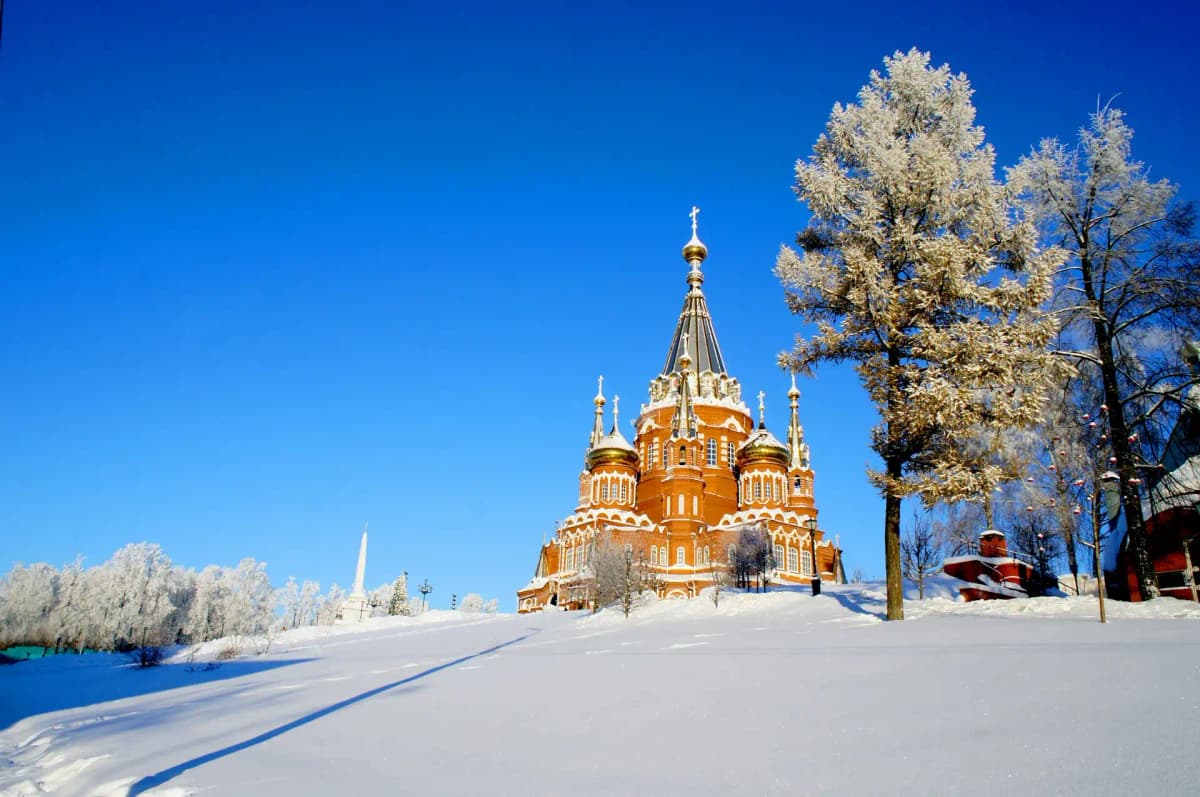
Russia landscape

Russia

Explore weather trends, climate data, and curated weather guides for Russia

Russia Climate Intelligence

Russia's immense size dictates a climate of extremes, largely continental. Brace yourself for long, famously cold, and snow-heavy winters, which gradually yield to short but often surprisingly warm hot summers, particularly in the southern regions. Planning a trip or managing logistics across this vast territory? Get precise localized weather and climate intelligence on WeatherBox.

Average Temperature & Seasonal Trends in Russia

How do temperatures shift month-by-month?

Temperature Map

How to Use This Map

  • Watch Seasons Change

    Click the Play button to start an animated timelapse of annual temperature shifts.

  • Explore Month-by-Month

    Drag the slider controls to pause on specific months and visualize detailed conditions.

Key Summary
  • Russia’s immense landmass creates staggering temperature contrasts, from the deep winter freeze of interior Siberia to the mild subtropical air along the Black Sea coast.
  • A powerful continental climate dominates most of the country, producing long, harsh winters and short but often warm summers with wide annual temperature swings.
  • Regional differences are sharp, with western cities experiencing cold but manageable winters, while vast eastern territories plunge into some of the world’s lowest temperatures outside Antarctica.

Air temperature in Russia is largely shaped by its colossal size and distance from moderating oceans. A continental climate blankets much of the nation, meaning that places far from the sea bake under short but intense summer sun and shiver through prolonged, bitter winters. Seasonal ranges can be dramatic. In Moscow, typical January lows hover between -10°C and -6°C (14°F to 21°F), while July highs frequently reach 18°C to 25°C (64°F to 77°F). Far deeper cold settles over Siberian cities like Yakutsk, where winter averages often dive below -35°C (-31°F), yet summer brings relief with temperatures climbing above 15°C (59°F). Along the Black Sea, Sochi flips this pattern entirely, with daytime winter temperatures ranging from 0°C to 6°C (32°F to 43°F) and summer warmth spreading comfortably between 20°C and 28°C (68°F to 82°F). The WeatherBox temperature map offers a vivid snapshot of these sweeping thermal boundaries.

The geography of Russia carves the country into distinct temperature zones. European Russia, including St. Petersburg and the Golden Ring cities, endures snowy, overcast winters that often feel less severe than Siberia’s dry cold, and its warm summers are ideal for strolling palace gardens or canal-side avenues. Moving east beyond the Ural Mountains, the climate turns resolutely more extreme. Western Siberia’s low-lying plains brace against numbing winter air, though southern hubs like Novosibirsk enjoy a brief but bright summer window for Trans-Siberian stops. Eastern Siberia takes this intensity further. Around Lake Baikal and Yakutsk, the seasonal pendulum swings wildly, from crisp air so cold it stings exposed skin in winter to remarkably pleasant summer days under endless daylight, when the lake’s shores become a haven for outdoor exploration. The Far East brings a monsoon flavour, with chilly, dry winters and humid summers, while the thin ribbon of the humid subtropical coast around Sochi offers damp, mild winters and sun-drenched summers. Referring to the WeatherBox temperature map reveals just how much average conditions can shift in a single journey across this sprawling land.

For most travellers, the most favourable window spans May to September, when air temperatures settle into a comfortable range for city sightseeing and countryside jaunts. Summer warmth can be surprisingly strong in places like Moscow, so light, breathable fabrics and sun protection are useful, though evenings often call for a layer even in high season. Those drawn to Russia’s snowy winter beauty between November and March must prepare for serious cold. Thermal layers, insulated boots, and windproof outerwear become essential once temperatures plunge far below freezing, especially if you venture east of the Urals. Southern coastal escapes like Sochi provide a gentler climate year-round, with spring and autumn offering mild air and fewer crowds. As the WeatherBox temperature map and data show, timing your visit around these regional rhythms makes all the difference. For deeper climate insights and planning tools, explore the full range of charts and averages at WeatherBox.

Regional Humidity & Dew Point Patterns in Russia

How does humidity vary across the country?

Humidity Map

Key Summary
  • Russia’s immense landmass creates extreme seasonal swings in humidity, from bone-dry winter air in Siberia to muggy summer conditions in western cities.
  • Coastal and near-maritime regions, such as St. Petersburg and the Black Sea coast, endure persistently high relative humidity that often exceeds 80-90% during tourist seasons.
  • The brief, intense summer is when uncomfortable to oppressive humidity peaks, especially in European Russia, as the WeatherBox humidity map illustrates.

Russia’s humidity is shaped above all by continentality. During the long winter, frigid air holds very little moisture, so even when relative humidity reads high outdoors the air feels dry and biting. By contrast, from late spring into summer westerly winds pull Atlantic moisture deep into the country, raising dew points and turning much of European Russia distinctly muggy. The vast interior of Siberia sits so far from any warm ocean that it remains dry year-round, while the Far East feels the clasp of the summer monsoon. We track these contrasts at WeatherBox, and our humidity comfort index map shows where conditions routinely tip from Comfortable into Muggy or Oppressive.

Geography carves Russia into several humidity regimes. In the northwest, St. Petersburg is swayed by the Baltic Sea and its labyrinth of rivers and canals, frequently recording 80-90% relative humidity in summer. Even during the famed White Nights, the air often feels close and muggy, which can surprise visitors strolling Nevsky Prospect or touring the Hermitage. Moscow sits slightly further from the sea but endures spells of uncomfortably high humidity in July and August, making a walk across Red Square feel heavier than the temperature suggests. Southward, the Black Sea resort of Sochi has a subtropical character with sticky, oppressive midsummer air. Cross the Urals and the picture shifts: Yekaterinburg and Novosibirsk typically enjoy dry, comfortable summers. At Lake Baikal, fresh, low-humidity air in July and August is ideal for lakeside walks or a ride on the Trans-Siberian Railway. In the Russian Far East, Vladivostok gets a monsoon soaking; late summer there can be Very Muggy, with frequent downpours that soak the harbour district.

For travel, the most comfortable humidity in European Russia arrives in late spring (May) and early autumn (September), when skies are often clear yet the oppressive stickiness of high summer is absent. If you are bound for Moscow or St. Petersburg in June through August, pack light, breathable fabrics, a raincoat, and expect periods when the air becomes Muggy. The Black Sea coast feels oppressively sticky in July and August, so a visit in early June or September brings far more comfortable beach weather. Siberia and the Far East shine in their short summer, where low humidity and mild warmth make outdoor exploration a pleasure, though you will still want layers for cool evenings. Timing your trip to landmarks like the Kremlin, Peterhof, or Baikal’s shores can mean the difference between energy-sapping mugginess and relaxed sightseeing. Russia’s humidity extremes are as dramatic as its landscapes, and with a little planning you can experience the country’s highlights in the most favourable conditions. Explore WeatherBox for detailed humidity data, the full comfort index map, and travel planning insights.

How to Use This Map

Humidity Comfort Levels
Dry
Comfortable
Uncomfortable
Muggy
Very Muggy
Oppressive
  • Watch Seasons Change

    Click the Play button to start an animated timelapse of annual humidity shifts.

  • Explore Month-by-Month

    Drag the slider controls to pause on specific months and visualize detailed conditions.

  • Find Your Comfort Zone

    Use these insights to identify the ideal time to visit Russia based on your weather preferences.

Climate Zones of Russia (Köppen-Geiger Map)

What are the climate zones of Russia?

Climate Map

Climate Classification Legend

Tropical
Af
Am
Aw
As
Dry
BWh
BWk
BSh
BSk
Temperate
Csa
Csb
Csc
Cwa
Cwb
Cwc
Cfa
Cfb
Cfc
Continental
Dsa
Dsb
Dsc
Dsd
Dwa
Dwb
Dwc
Dwd
Dfa
Dfb
Dfc
Dfd
Polar
ET
EF
Key Summary
  • Russia’s immense landmass and high latitude produce dominant continental and subarctic climates (Dfb, Dfc, Dfd), with bitterly cold winters and brief, warm summers.
  • The southern and far western fringes offer notable exceptions, including a humid subtropical zone (Cfa) along the Black Sea and milder maritime-influenced summers (Cfb) near the Baltic.
  • North of the Arctic Circle, treeless tundra (ET) prevails, while the Pacific-facing Far East experiences a monsoon-influenced climate (Dwb) with wet summers and dry, frigid winters.

Russia’s climate is a story of extremes arranged across eleven time zones. The enormous flat expanse of the Eurasian landmass translates into long, severe winters and short summers for most of the country, a pattern classified widely under the Köppen Dfb, Dfc, and Dfd zones. Warm, occasionally hot, summers briefly transform the landscape, but deep cold defines the Siberian interior, where temperatures can remain stubbornly low for half the year. The Ural Mountains, while not high enough to block air masses entirely, loosely separate the milder European plain from the sharper continentality of the east. In the far north, the tree line gives way to ET (tundra) , where the growing season is measured in weeks and near-surface data from WeatherBox charts show mean monthly temperatures barely rising above single digits even in July. A compact pocket of Cfa (humid subtropical) hugs the Black Sea coast, making it a true climatic outlier.

Regional differences are stark and directly tied to geography. Western cities such as Moscow and St. Petersburg sit in a Dfb zone, where the influence of the Baltic and North Atlantic can bring spells of damp, cloud-laden weather even during the long summer twilights. Winter here is dark and cold, yet far less punishing than in central Siberia. Travellers crossing into the Dfc and Dfd realms of Yakutia encounter the planet’s largest annual temperature swings, with sleepy villages thawing into dazzling, mosquito-rich summers beside the Lena River. The Far East around Vladivostok swings with a monsoon rhythm (Dwb) : a dry, sub-zero winter dominates, then rains arrive in force from June to September, soaking the coastal hills. Southward, Sochi’s Cfa climate delivers warm, humid summers punctuated by afternoon showers, while winter months remain mild enough for outdoor café life, a rare luxury in Russia.

For most of Russia, the optimal travel window falls between late May and early September. The White Nights of St. Petersburg, the lush, sun-drenched meadows of the Golden Ring, and the brief, luminous summers beside Lake Baikal all depend on this fleeting season. WeatherBox temperature and precipitation charts make it easy to see why July and August are the warmest and most optimal months, though short, sharp heatwaves can push city temperatures well into the 30s Celsius (upper 80s to mid-90s Fahrenheit). Southern beach-goers near Sochi should expect high humidity and frequent, sometimes heavy, showers even in summer, so waterproof layers remain useful. Spring and autumn are narrow, messy corridors of mud and unpredictable frosts, while the deep-frozen winters, though atmospheric for urban exploring in Moscow, demand serious insulated clothing and are best approached with careful planning. From the Arctic tundra to the subtropical Black Sea shore, Russia’s climate diversity is immense, and our detailed maps and monthly data at WeatherBox help you navigate every season.

Find places with your ideal climate

Use our Climate Finder to search and rank locations by their temperature and humidity patterns.

Open Climate Finder

Compare Weather
in Russia

See how temperatures, sunshine, and rainfall differ between any two locations on Earth

Russia flag
MoscowRussia
Change
Russia flag
Saint PetersburgRussia
Change

Weather Guides

Explore comprehensive annual weather and climate insights for 320 locations in Russia

Explore other locations in Europe