Key Summary- Uzbekistan has a strongly continental climate dominated by arid cold desert (BWk) and semi-arid steppe (BSk) zones, with sharp temperature swings between summer and winter.
- The landlocked geography and low desert plains create long, hot, rainless summers and short, chilly winters, with most sparse rainfall arriving in winter and early spring.
- Spring and autumn offer the most favourable travel conditions, with mild temperatures and abundant sunshine for exploring the country’s ancient Silk Road cities.
Uzbekistan sits deep in Central Asia, far from oceanic moisture. Under the Köppen system, much of the country is classified as cold desert (BWk). The Kyzylkum Desert and western lowlands receive meagre rainfall, often less than 200 mm (8 in) per year. Summers are long and intensely hot, with daytime highs frequently climbing to 35°C–40°C (95°F–104°F). Winters are short but sharp, with nighttime frosts well below freezing. Surrounding the desert core, a band of semi-arid steppe (BSk) offers a whisper more moisture. In the far eastern mountains, conditions shift to continental Mediterranean (Dsa/Dsb) climates, where winters gather more precipitation and summers stay marginally cooler. Our WeatherBox Köppen climate map highlights these transitions across the country.
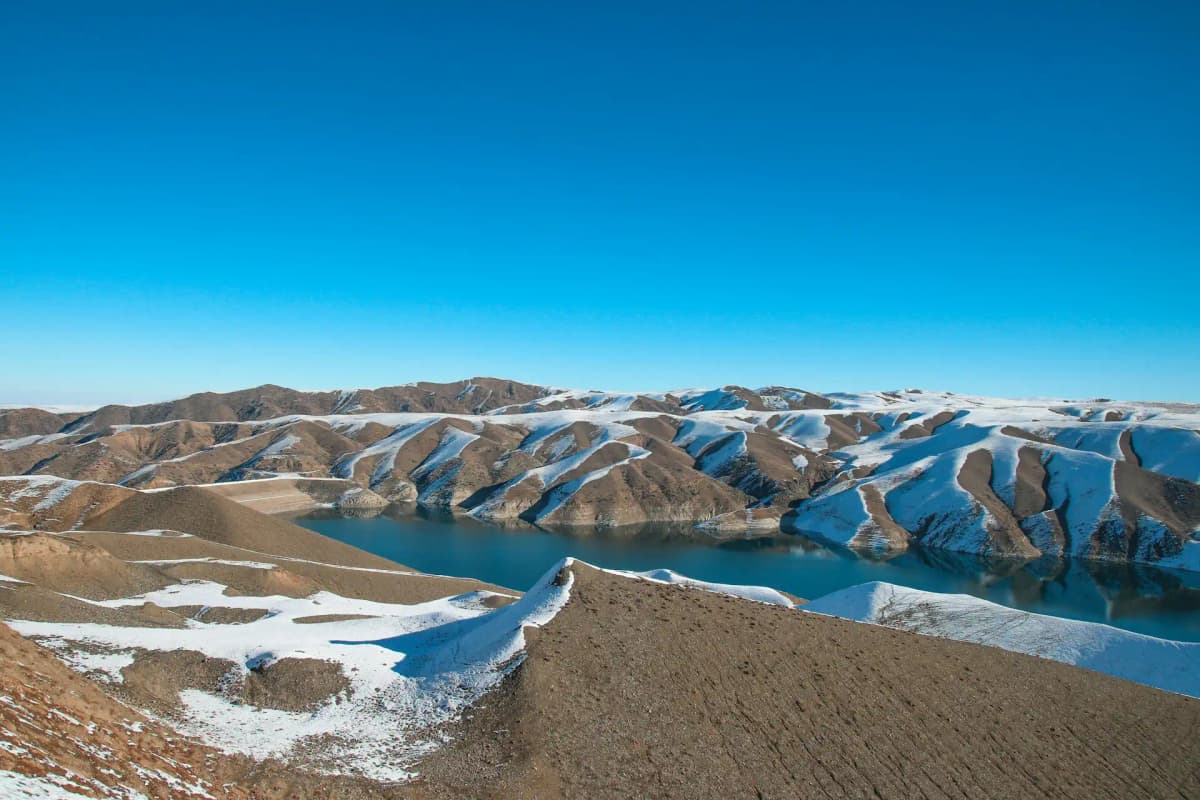
The Silk Road jewels of Samarkand, Bukhara, and Khiva lie in the BWk desert zone. Summer brings endless blue skies and dry heat over sun-scorched tile and brick monuments. While low humidity helps, the heat remains pervasive. Winter sees frost-edged mornings, occasional light snow, and a hushed atmosphere. Eastward, the Fergana Valley and Tashkent’s semi-arid belt feel slightly milder: warm summers, cooler springs, and a fleeting flush of green after winter rains. The Chimgan foothills and higher peaks accumulate more snow in winter and offer relief in summer. Most of Uzbekistan’s sparse rain falls between December and April as brief showers or a light, steady drizzle that briefly settles the dust before the summer drought locks in.
For visitors, spring (April to early June) and autumn (late September to October) are the most comfortable. Daytime highs typically range from 20°C to 28°C (68°F to 82°F), with clear skies and cool nights. The light is beautiful over madrasas in spring, and autumn market stalls brim with fruit. Midsummer brings stubbornly high heat, best managed by limiting midday outings. Winter is cold and crisp, ideal for uncrowded exploring if you dress warmly, though snow in eastern mountains can disrupt road travel. Packing should include light breathable clothing, a wide-brimmed hat, and sun protection for the hot months; thermal layers, a heavy coat, gloves, and sturdy footwear for winter; and a light rain shell for spring. The arid climate means overwhelmingly sunny days, a boon for photography. For a closer look at monthly patterns, visit WeatherBox where our climate charts and interactive maps break down what to expect across the country.