Key Summary- South Africa’s humidity is deeply split: the east coast and Lowveld can feel oppressive in summer, while the interior plateau and west coast remain dry or comfortable year-round.
- The Western Cape’s Mediterranean rhythm delivers comfortable humidity and clear skies during its peak summer travel months, a stark contrast to the muggy subtropical north-east.
- Altitude and ocean currents sculpt the moisture map, from the crisp Karoo air to the very muggy Indian Ocean shoreline, as the WeatherBox humidity map reveals.
South Africa’s humidity is a story of two oceans and a vast interior. The warm Agulhas Current sweeps down the east coast, loading the air with moisture that spills into KwaZulu-Natal and the Lowveld. Here, summer months from November to March pull tropical rainfall and high humidity inland, regularly pushing relative humidity into the 80–90% range. In contrast, the cold Benguela Current along the west coast chills the Atlantic air, keeping places like Port Nolloth and the Namakwa coast dry to comfortable even in summer. Away from the sea, altitude becomes the great moderator. The Highveld, perched above 1,500 metres, sees afternoon thundershowers but rarely feels oppressive, because the thinner air sheds heat quickly. Further inland, the Karoo and Kalahari basins sit under dry, often cloudless skies, where humidity hovers so low that a breeze can feel like a balm. This is a country where you can drive from the muggy sugar-cane belt of the north coast to the bone-dry Northern Cape in a single day, traversing almost every comfort level our WeatherBox index measures.
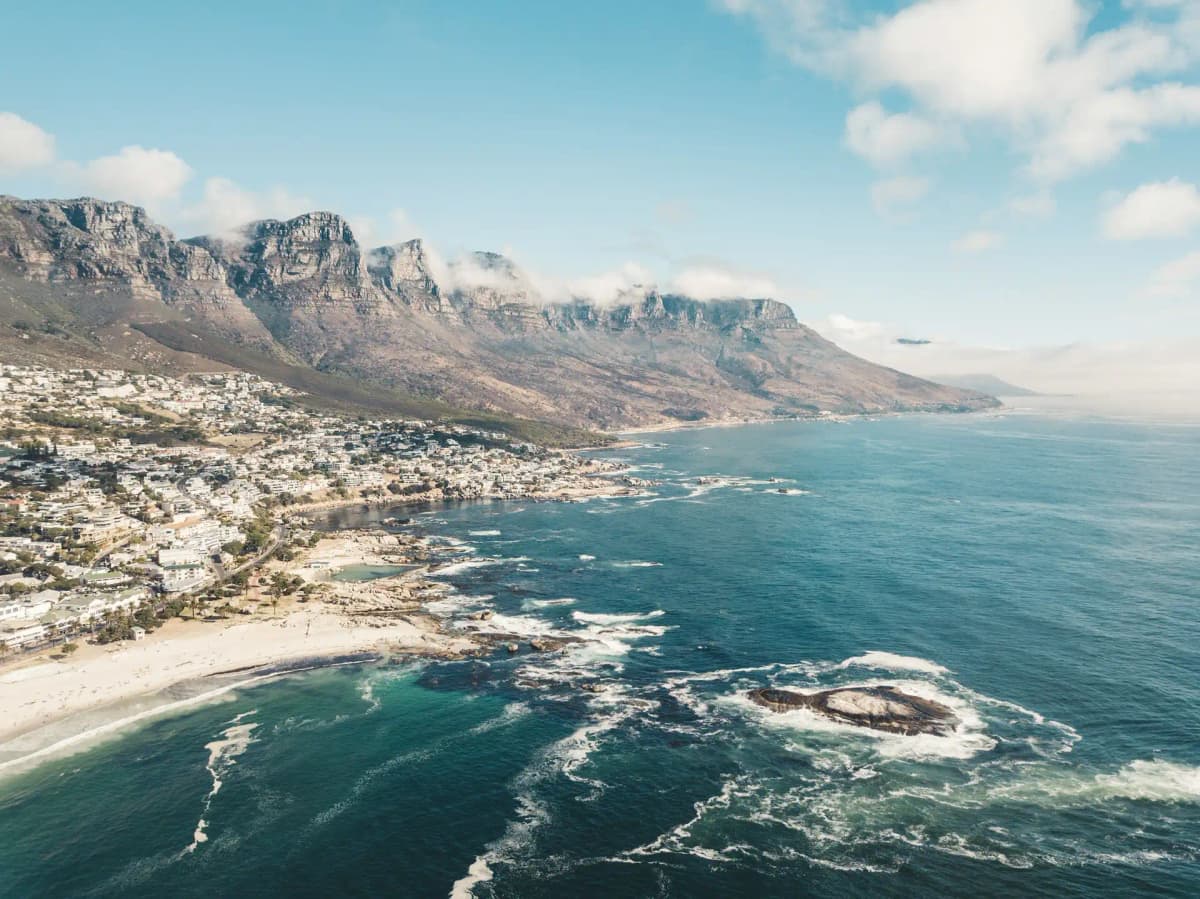
Regional weather patterns pin humidity tightly to geography and the seasons. The Durban coastline and subtropics of northern KwaZulu-Natal run very muggy to oppressive in high summer, giving the city’s Golden Mile a sultry, sticky feel that pushes many locals to the pool or the air-conditioned indoors. Just inland, the misty green hills of the KwaZulu-Natal Midlands and the drizzle-soaked edges of the Drakensberg stay a notch cooler but remain uncomfortable for those not used to thick air. Further north, the Lowveld and the wildlife-rich areas around Kruger National Park sit muggy for much of the rainy season, when the bush turns lush and game viewing becomes a warm, moist affair. By contrast, the Western Cape around Cape Town flips the script. Summer brings comfortable humidity and reliably dry conditions, ideal for soaking up the gloriously clear skies over Table Mountain or the wine estates of Stellenbosch and Franschhoek. In winter, the Cape catches Atlantic fronts and drizzle, yet humidity levels rarely tip beyond comfortable. The Garden Route occupies a sweet middle ground, with mild, comfortable air year-round and a tempered version of the east-coast humidity. On the Highveld, Johannesburg and Pretoria enjoy a sunny summer punctuated by brief, dramatic afternoon storms that raise humidity only briefly, leaving the evenings comfortable and refreshed. As the WeatherBox humidity map shows, the interior plateau and the Karoo semi-desert register the country’s lowest humidity, with annual patterns firmly in the dry to comfortable bands.
For travel planning, this patchwork of humidity rhythms means you can always find a comfortable corner. The southern summer from November to March is ideal for Cape Town and the Garden Route, when sunshine and comfortable air make beach days, vineyard lunches, and coastal drives a joy. It is also the wet, muggy season for the northeastern safari zones, but the trade-off is a lush green landscape, newborn animals, and birding at its peak. If you dislike thick air, May to September brings dry, comfortable conditions to Kruger, the Highveld, and the Kalahari, with crisp mornings and wildlife gathering at water sources. Pack light, breathable fabrics if you are heading to Durban or the Lowveld in summer, and always carry a raincoat for the Highveld’s sharp afternoon storms. For Cape Town winters, layering works best; the rain is more of a soft drizzle than a tropical drenching. Sun protection is essential across the country, even when humidity is low, because the South African sun is fierce at altitude and latitude alike. We built our WeatherBox humidity comfort index to help you match your comfort tolerance to the right season and region. Explore the map and charts for deeper data, and plan a trip that aligns the country’s dramatic landscapes with exactly the air you want to breathe.